Blog
Policy Matters: The Importance of U.S. Trade and Trade Diversification
Historically, Canada has faced three trade options. But there is a fourth option...
Share:





Trade has never been so sexy.
At least, that’s what Minister of International Trade Maninder Sindhu said at our Future of Business Summit in April. And it’s true — trade is a hot topic these days, with the conversation typically revolving around trade with the U.S., particularly as it relates to CUSMA and trade diversification.

The “Fourth Option”
Historically, Canada has faced three trade options:
- Relying heavily on trade with the U.S.
- Deeper integration with the U.S. through agreements like NAFTA/CUSMA
- Diversifying trade beyond the U.S.
But there is a fourth option.
We share a continent with the U.S. and over the decades have massively — and intentionally — integrated our economy with theirs.
- 2.6 million Canadian jobs are supported by exports to the United States, and 1.4 million American jobs are supported by exports to Canada.
- Over 63% of Canada’s exports to the U.S. and around 50% of America’s exports to Canada are intermediate inputs — goods used to produce other goods.
- Over half of the total value of exports from Canada to the U.S. is between related companies.
Which is why the fourth option is the yes/and trade scenario. Yes, we want to maintain U.S. market access — because, though it may not feel like it right now, the relationship with the U.S. continues to be overwhelmingly good for workers, consumers and North American competitiveness — and we want to expand trade with non-U.S. markets.
This is why the Canadian Chamber organizes international, business-led trade missions to the U.S. and markets around the world. In 2025, we led six business missions to the U.S., England, and South Africa. In 2026, we’ve already gone to Mexico and the U.S., but we’re also heading to Belgium, Japan and France later this year.

Yes: Trade with the U.S.
While we won’t be cutting ourselves off from the U.S. market, we can and should acknowledge that we are in new situation that involves managing the strategic risk of continuing and even deepening our relationship with the U.S.

CUSMA
CUSMA took effect in March 2020, replacing the North American Free Trade Agreement (NAFTA). It’s up for review in July at which time the three countries will decide whether to extend it for a new 16-year term. If they choose not to, there will be a review every year until the Agreement terminates in 2036.
The July 1 deadline has been spoken of as if it were some magical turning point, but the truth is nothing effectively changes. A vast majority of goods and services remain under CUSMA’s low-to-no tariff rates — utilization of CUSMA remains at a 20-year high with 83% of goods exports claiming CUSMA preferences this year already.
The Americans have been signaling for a while that they aren’t expecting to see an agreement or an extension by July 1. Even so, the negotiation work to get a deal that keeps or modernizes the existing one continues.
While moving into monthly or annual reviews won’t provide the much needed and desired certainty for businesses, the agreement will still be in place unless one of the three participating countries legally withdraws. Such a withdrawal requires that the country provide written notice to the other parties. The withdrawal takes effect six months after the written notice is provided.
Bolstering Canada’s Economy
At the same time as we continue our trade with the U.S., we should also bolster our own economy in ways that are not dependent on our relationship with our Southern neighbour. Integral to that is significantly increasing our overall appeal as a place to do business so that we can better attract international investment, keep domestic investment at home, and be a competitive player on the global stage.

And: Trade diversification
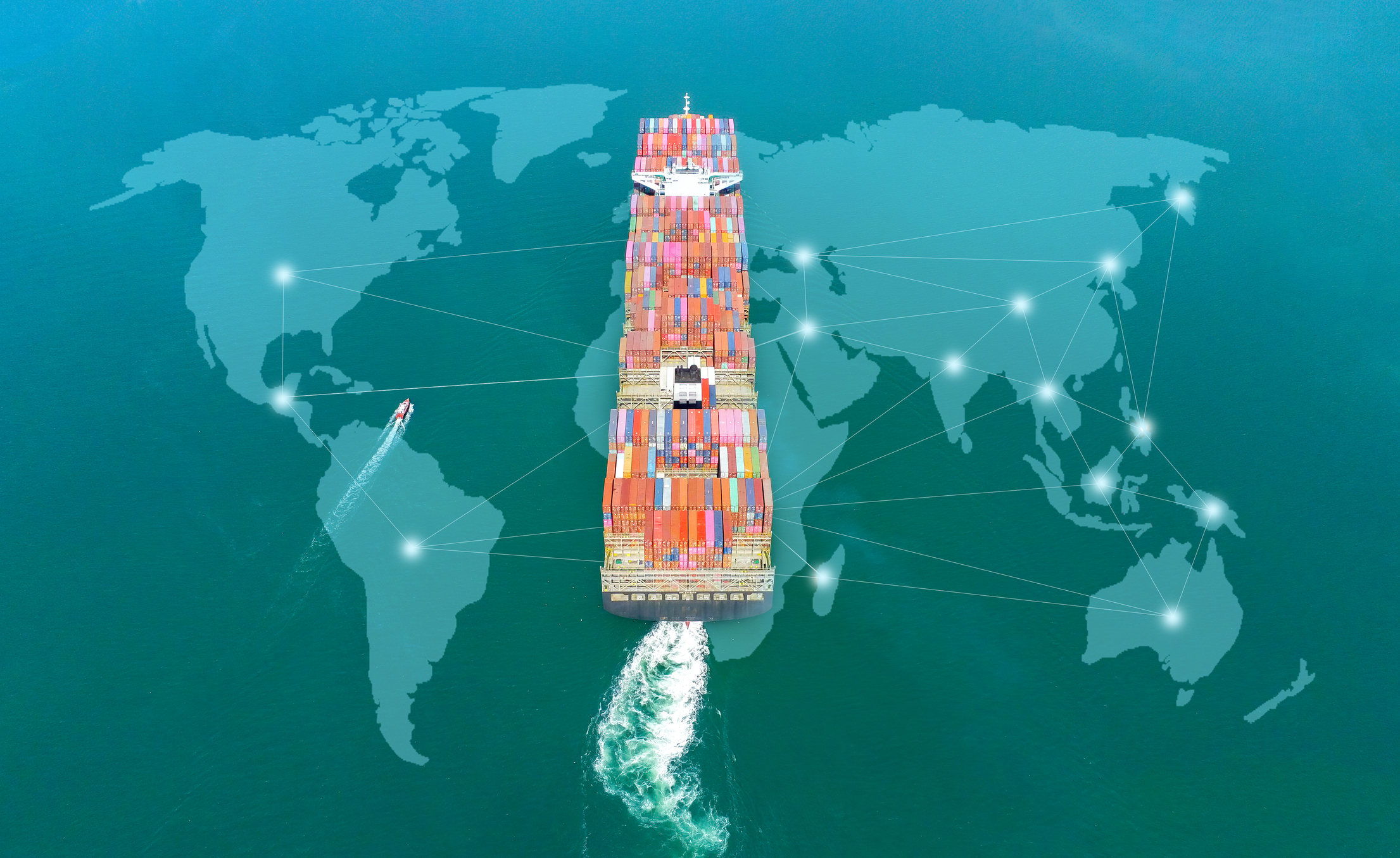
Trade diversification is about building economic resilience. Businesses know that you can’t survive long with just one customer. By expanding the markets we trade with, Canadian businesses will have more options when things get rocky in certain regions.
Canada has 15 free trade agreements that give us preferential access to 51 countries, representing 1.5 billion consumers and 61% of global GDP. Governments may sign the free trade deals, but it truly is up to business to turn them from paper into prosperity.
As we were reminded at our first Future of Business Summit in April, trade diversification is a multi-year journey that Canadian businesses need to start on today.
Canada’s trade diversification story so far
At the national level, exports to the U.S. declined between 2024 and 2025, while exports to the rest of the world sharply increased. On the surface, this looks like a meaningful shift toward diversification, but the underlying structure of Canada’s trade economy is changing less than the headline suggests.
The findings from our Business Data Lab’s Q1 2026Business Insights Quarterly reveal that in the past 12 months, only 3% of businesses have diversified their sales outside of the U.S. In response to U.S. tariffs on Canadian exports, most businesses are taking no action (62%) or raising prices (13%).
Export growth outside the U.S. is being driven primarily by existing exporters trading more, not by more businesses trading internationally.
Much of the growth in trade outside of the U.S. is concentrated in a handful of Census Metropolitan Areas (CMAs), including…
- Calgary with almost 65% net new non-U.S. export growth (2024 to 2025).
- Ottawa-Gatineau with around 64% net new growth.
- Toronto and Saskatoon with over 32% net new growth.
Diversification is happening, but it’s generally happening within a concentrated group of firms and cities.
The role of SMEs
Canada’s diversification challenge is not just about market access or geography — many of the traditional barriers to exporting like distance, logistics and scale are becoming less restrictive — but also about helping more businesses see global growth as achievable and increasingly necessary.
As reported in BDL’s “Pivot or Peril: Are Canadian Cities Diversifying or Doubling Down on America?”, if Canada wants diversification to be structural, more firms — especially SMEs — need to participate in global trade.
Roughly 90% of non-exporting SMEs still describe their operations as “local” in nature, even though many may produce goods or services with international potential.

Learn more
Now, more than ever, it’s essential to double down on collaboration and global partnerships. Learn about our upcoming business-led missions by visiting our International Missions page.
Visit Export Development Canada’s website for helpful resources on growing your business internationally.
Other Blogs

Canada-U.S. Trade Has Entered Uncharted Territory. We’re Ready to Lead.

Drowning in paperwork: Canada’s Red Tape Problem