Blog
Key Takeaways from the 2026 Future of Business Summit
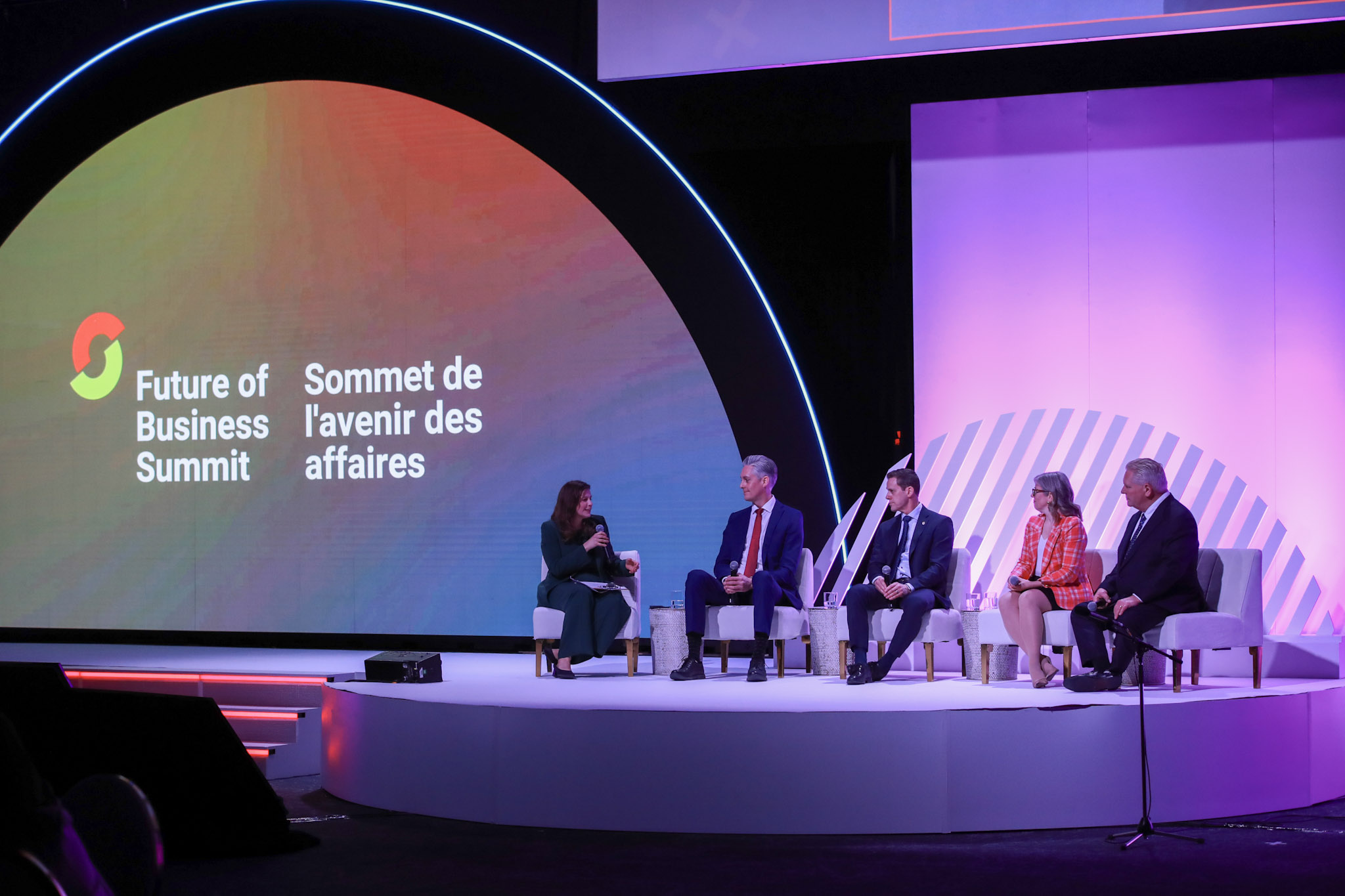
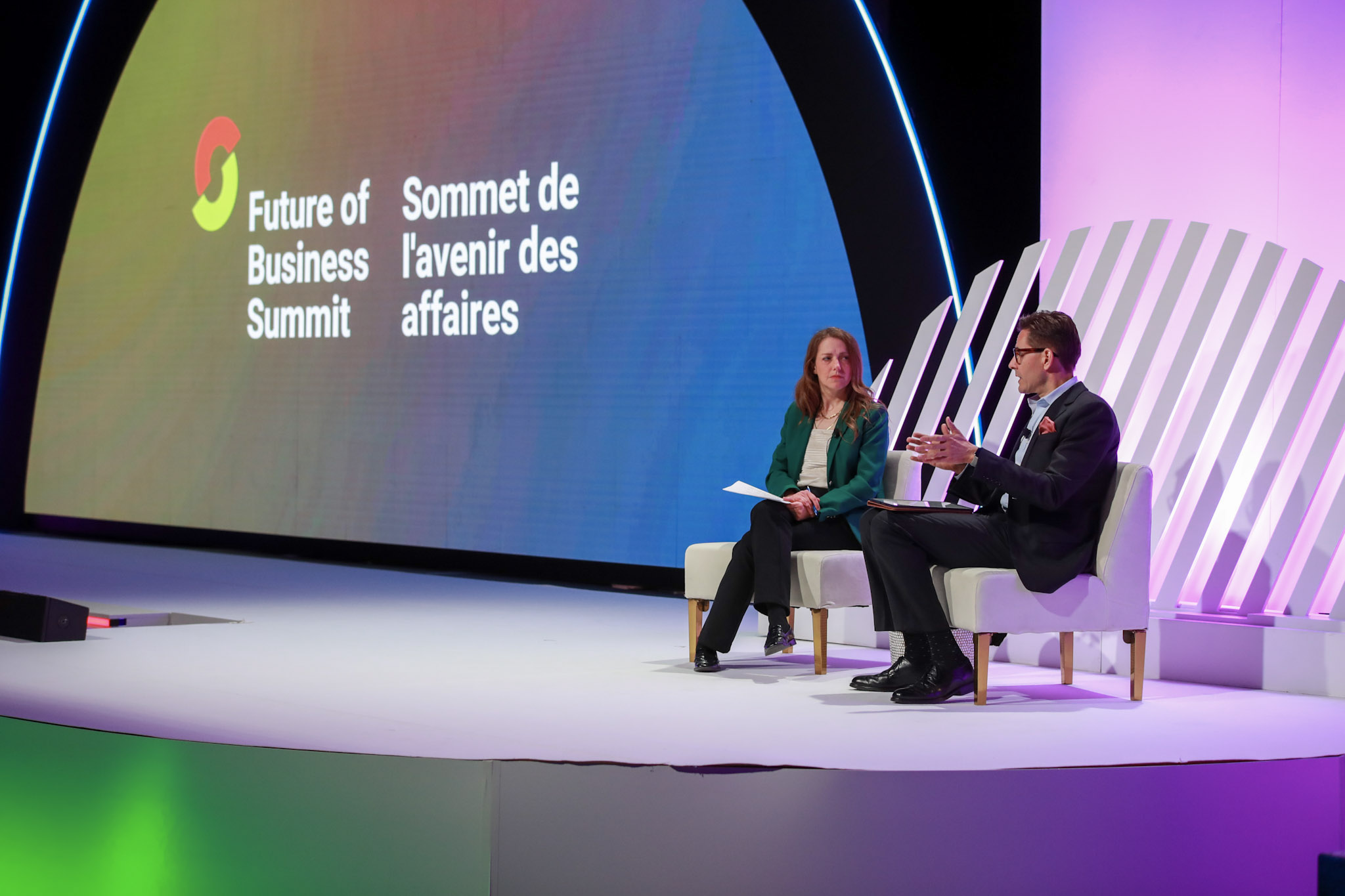
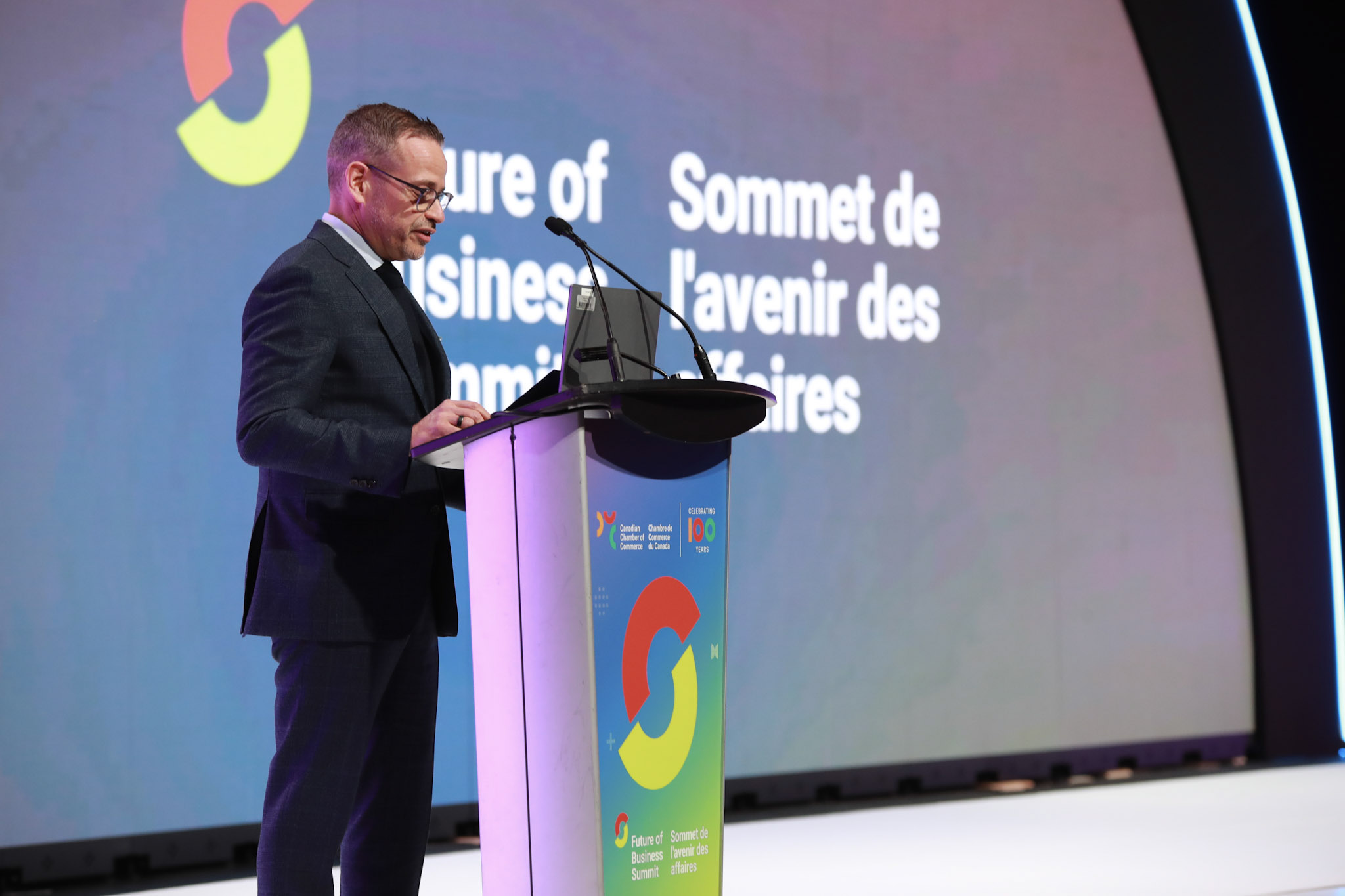
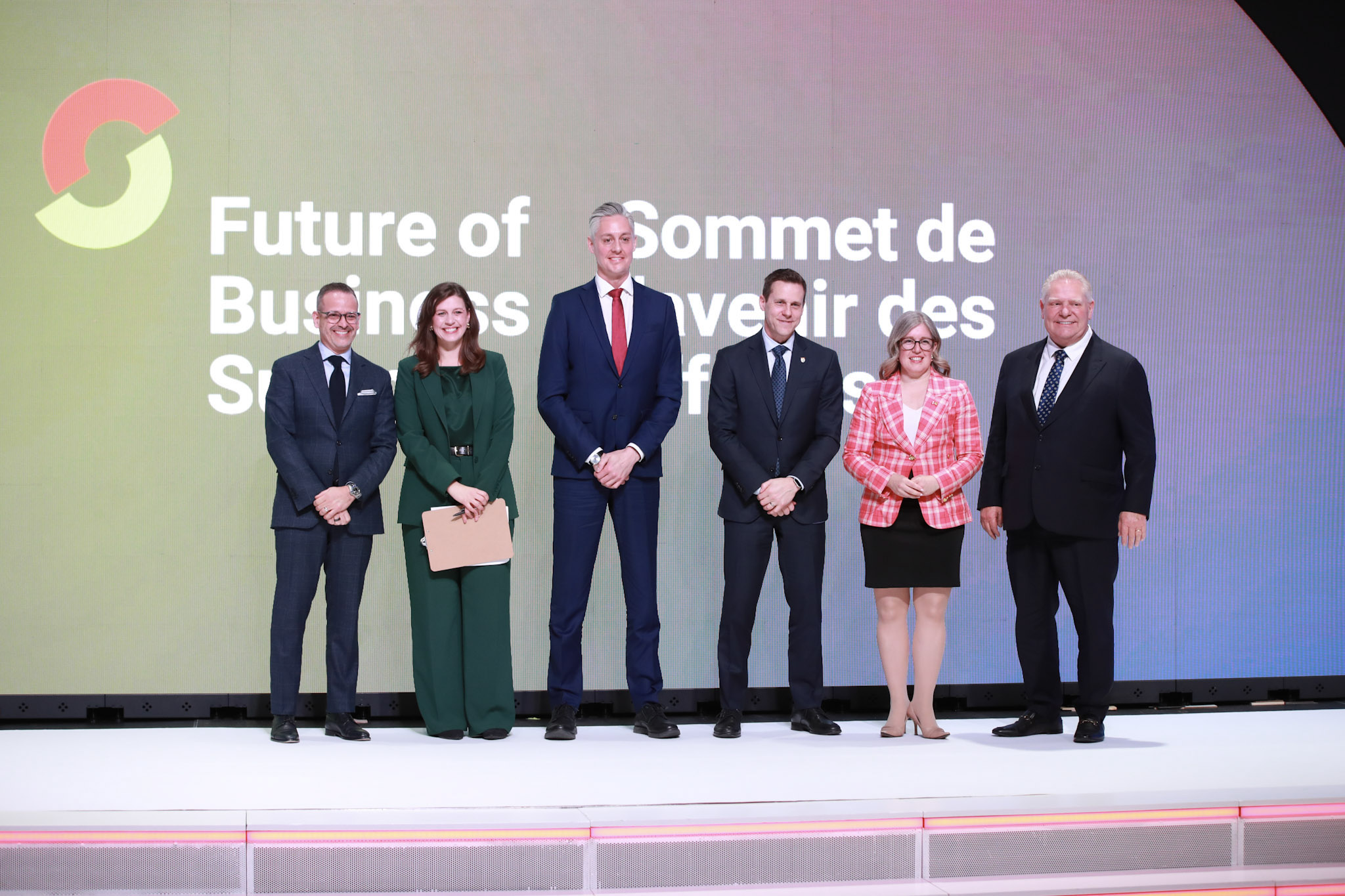
On April 20–21, over 600 business and community leaders, policymakers and economists gathered in Ottawa for our first Future of Business Summit, an event that encouraged and enabled Canadian businesses of all sizes, sectors and regions to exercise their agency.
Share:





Candace Laing
President and CEO, Canadian Chamber of Commerce
On April 20–21, over 600 business and community leaders, policymakers and economists gathered in Ottawa for our first Future of Business Summit, an event that encouraged and enabled Canadian businesses of all sizes, sectors and regions to exercise their agency. The question the Summit asked was what can we do as individuals and through partnerships to support nation building, business building and community building?
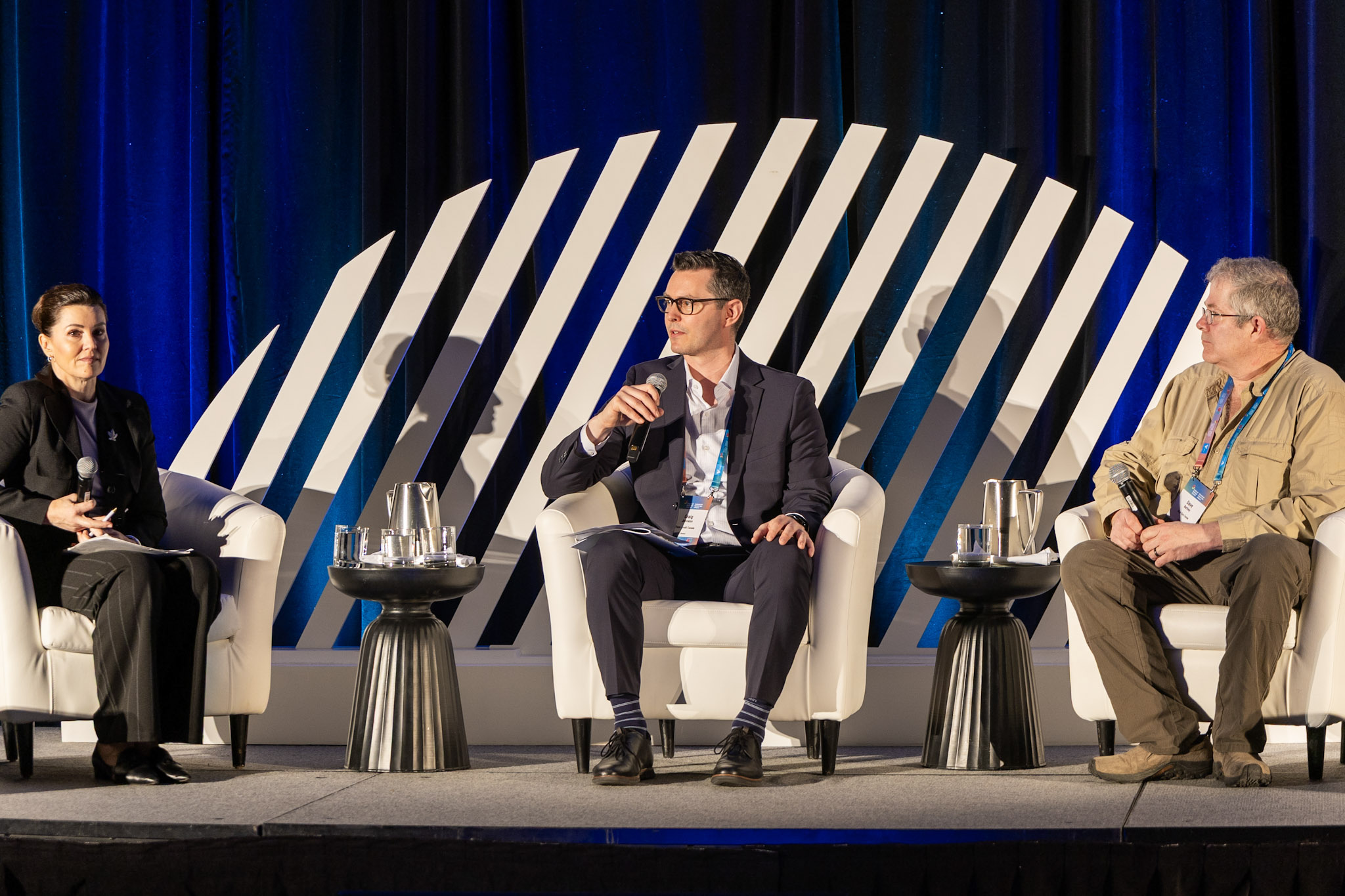
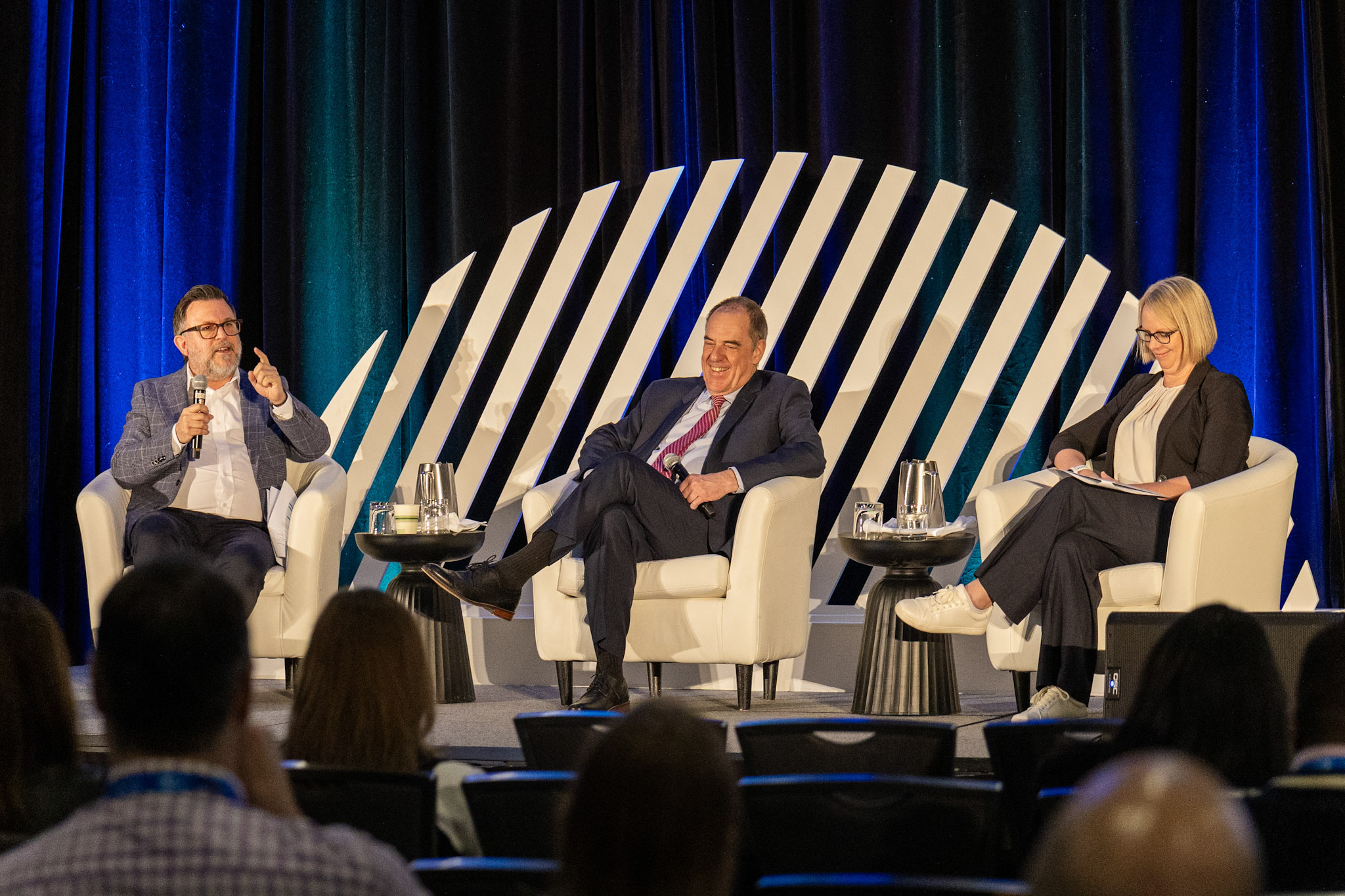
We designed the Summit to motivate attendees to break familiar frames and work together to find levers for durable economic change in Canada that will deliver a better life for all. In pursuit of this goal, the program featured an incredible lineup of speakers, including one with a third of the Council of the Federation, as well as breakout sessions, workshops and Braindates, one-on-one or small group conversations driven by the ideas, challenges and opportunities that mattered most to attendees.
Over the course of the Summit, many challenging and timely topics were covered, including:
|
🇨🇦 Canada’s workforce |
🎨 Art and culture |
🔄 Internal trade |
|
🤖 Artificial intelligence |
⚙️ Productivity |
🌎 CUSMA |
|
🛡️ Defence |
📊 Economic competitiveness |
🔒 Trust |
|
🏗️ Major projects |
🤝 Economic Reconciliation |
🐻❄️ The Arctic |
|
📈 Scaling small businesses |
🏠 Housing |
🧬 Health innovation |
|
🌾 Agriculture |
This wrap up blog is simply not long enough to give each of our speakers the time their insights and participation deserve. Here is our best effort to distill hours of information into some key takeaways.

Trade
It’s impossible to convene a national conversation on Canada’s economic future and not talk about trade. As Minister of International Trade Maninder Sindhu said, “Trade has never been so sexy.”


The state of Canada’s relationship with the U.S. and its future was top of mind, with speakers also discussing Canada’s trade diversification efforts and the upcoming CUSMA review.
Key takeaways:
- Canada will always have a relationship with the U.S., but we can’t be dependent on them — having one customer that’s responsible for most of your business is not sound practice. Canada has what we need to be self-sufficient and self-reliant.
- Trade diversification is a multi-year journey that Canadian businesses need to start on today. There is a real need for Canadian companies to quickly re-educate themselves about the trade opportunities with other markets and to take advantage of the free trade agreements with 51 countries Canada has in place.
- Canada is committed to the renewal of CUSMA. According to Janice Charette, Chief Trade Negotiator to the United States, the priority is to protect the fundamentals of the Agreement and maintain Canada’s steady and preferential access to the U.S. market.
- There was more movement on reducing internal trade barriers in 2025 than in Canada’s history. However, barriers remain and the challenges around trucking and transportation and labour mobility are particularly aggravating to Premiers Ford, Holt, Lantz and Simpson.
- Canada needs restrictions on what’s imported but also strong trades rules to govern which countries we trade with. We must be strategic, ensuring that the economic advantages outweigh the potential risks.

Economic Sovereignty
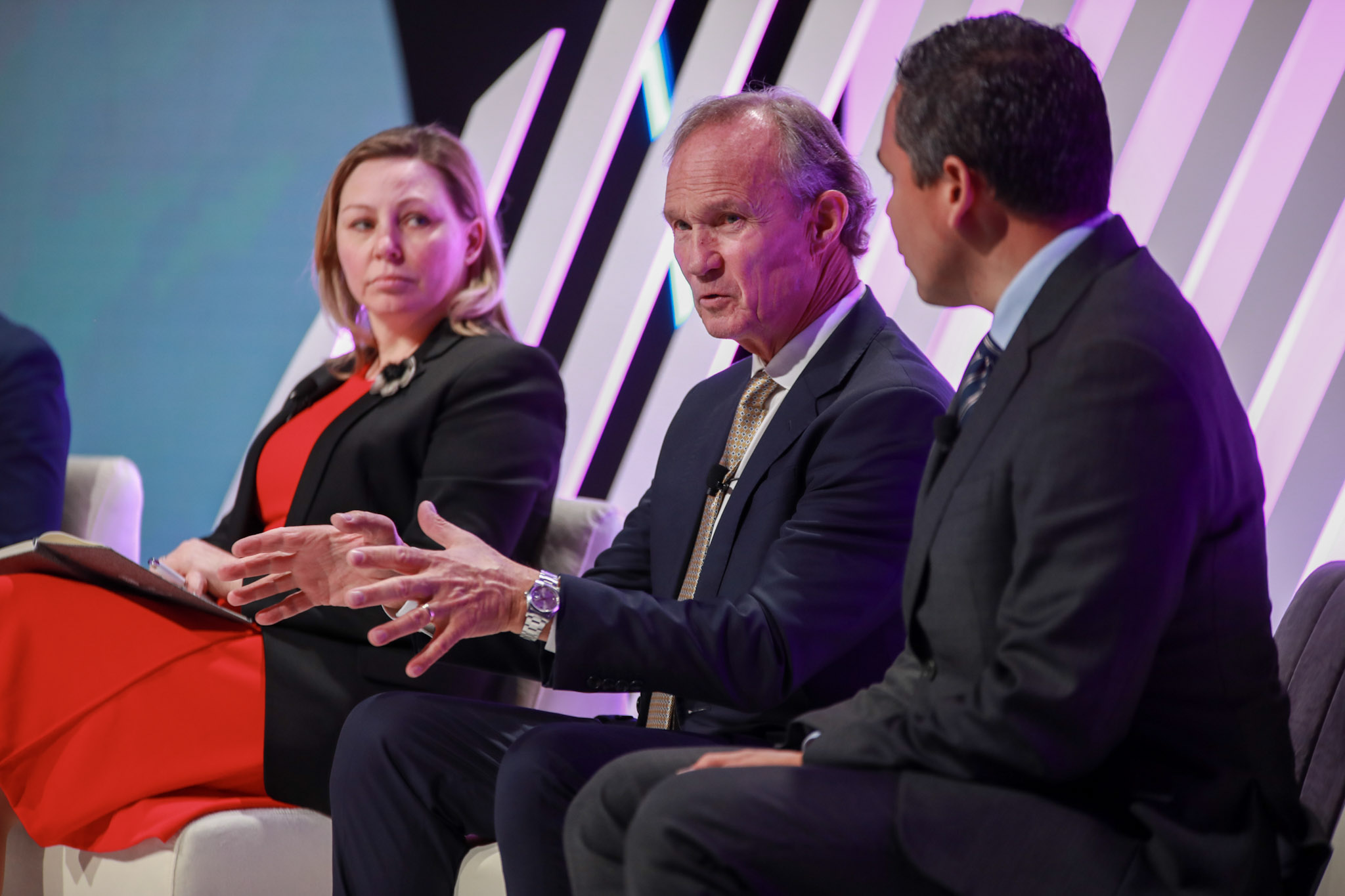
Ensuring Canada’s economic sovereignty is not a matter of ambition or resources but of execution across critical sectors like agriculture and life sciences. As Premier Ford said during the Premiers’ session, What Can We Agree On?, we don’t need the U.S. to do or say anything for us to improve domestic processes that are holding back Canadian businesses and economic progress.


Key takeaways:
- A country that can’t feed, fuel or defend itself has few options.
- Canada’s economy should not rely on exporting only raw materials and commodities and importing high-value, high-tech items. We need more value-add manufacturing at home.
- China is a not a solution to the strained trade relationship with the U.S. Deeper entanglement poses security risks and challenges. China has demonstrated its willingness to weaponize Canada’s sectoral and technological dependencies.
- Governance is not just about responding to public opinion — it’s also about the expertise to understand things like national security, geopolitics and supply chain dependent. Government should protect Canadians from the things we can’t anticipate.
- Food security is a strategic imperative for Canada. The agriculture and agri-food sector is bigger than Canada’s automotive and minerals and metals sectors combined.
- Canada is largely an import-driven pharmaceutical nation. Our production capacity is not enough to provide for our population, which means that our dependence on imports introduces logistical and structural vulnerabilities.

The Arctic and Defence
The Summit truly benefited from the on-the-ground insights of business and political leaders hailing from Canada’s Arctic. While defence and Canada’s North are often mentioned in the same breath and there is undeniable interconnection, Canada’s Arctic has more strategic economic value than just defence and national security and defence require more of Canada than Arctic development.


Key takeaways:
- Canada’s capacity for self-defence relies on our industrial capacity.
- Attention to the Arctic follows the commodity cycle but attention fades. Canadians aren’t as sensitized to the importance of the Arctic and its economic opportunities. Part of the government’s job is to create that awareness, to keep attention and interest high.
- Investments in the Arctic aren’t going to pay dividends in a four-year election cycle. We need to look to the future of Canada to see the ROI.
- Sovereignty and security are about presence and that starts at the community level. For example, a mining operation runs every day, all day — that’s presence. But if we strengthen the social infrastructure in the communities surrounding the project and create a diversified economy that can withstand the commodity cycle, then we have sovereignty and security. We can then build defense capabilities on top of this solid foundation.
- Dual-use application is happening organically. One practice is to have a commercially relevant product or service and then determine how it modify it to address the unique challenges of the Canadian Armed Forces (CAF).
- Bringing end users into the development process of national defence products will result in better capabilities. The challenge is to access members of the CAF.
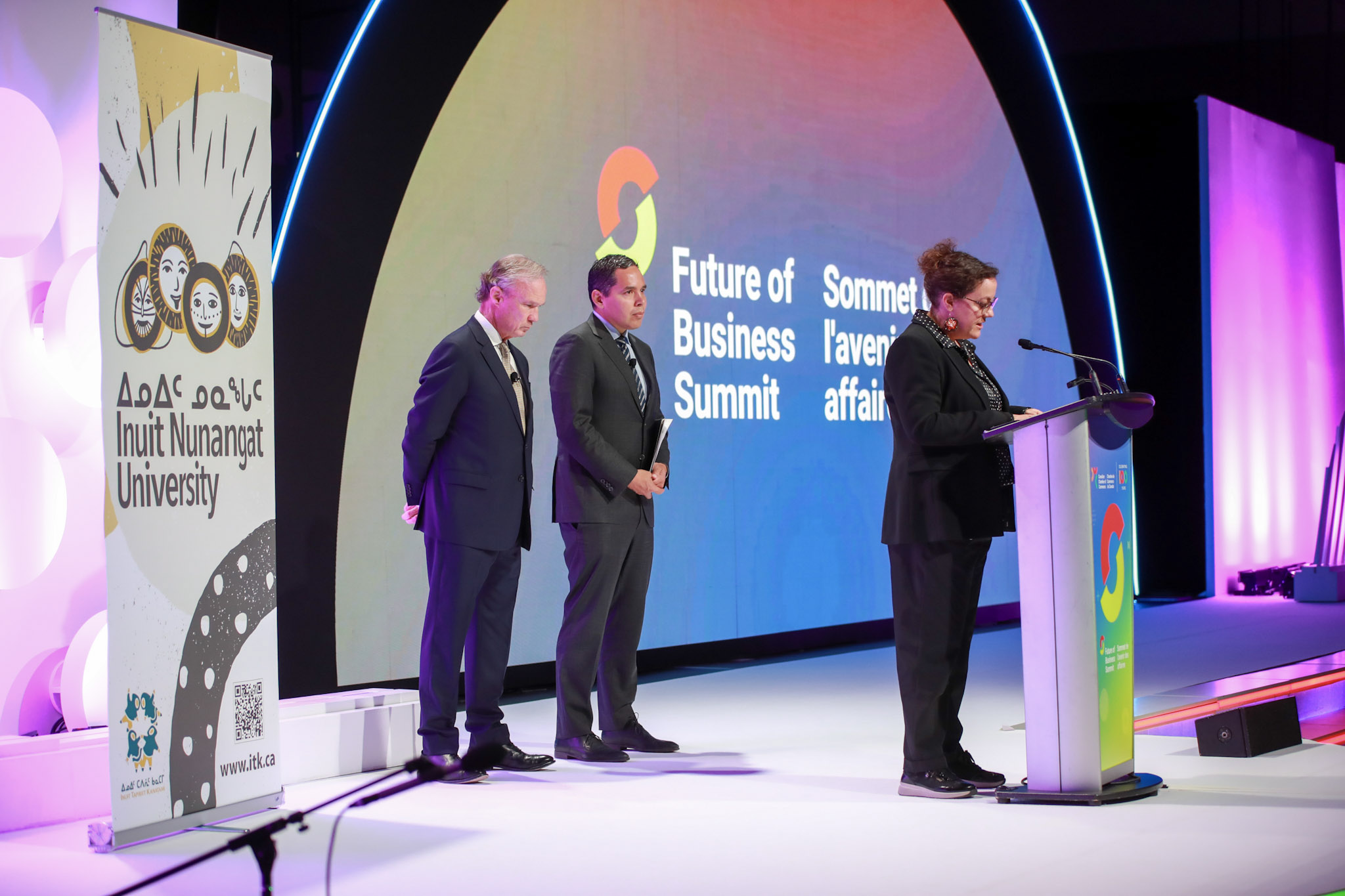
We were proud that the Summit could serve as a platform for an exciting development: Inuit Tapiriit Kanatami President Natan Obed and Agnico Eagle Mines Limited Chair Sean Boyd together announced a $10 million investment from Agnico Eagle in support of Inuit Nunangat University — the first Inuit-led university in Canada, set to welcome its first cohort of students in 2030.

Infrastructure and Major Projects
Infrastructure is critical to all of Canada’s economic ambitions — it gets our goods to customers; it enables tourism; it builds communities; it underpins security. It’s little wonder then that infrastructure was a recurring topic at the Summit, especially as it related to communities and economic reconciliation.


Key takeaways:
- Indigenous groups must be at the table from day one and part of the capital stack of major projects.
- Canada has capacity limitations which means that major projects must be looked at as part of an ecosystem, not in isolation. Canada’s well-known labour shortages mean that we need 380,000 new bodies in construction by 2034 to build everything we want and need to.
- Economic Reconciliation is about creating capacity. How do we bring communities into projects as equity partners? It’s essential to give our young people opportunities join businesses and build careers alongside already established leaders.
- Canada is an SME-driven economy but many of them are struggling to understand how they can be part of this new national push to get major projects built. The opportunity is to include them into the supply chains.
- Canada needs a regulatory regime that is competitive with other countries. If we’re going to collapse governance on major projects, then we need a process where all approval levels can sit at a table together and expedite decision making.





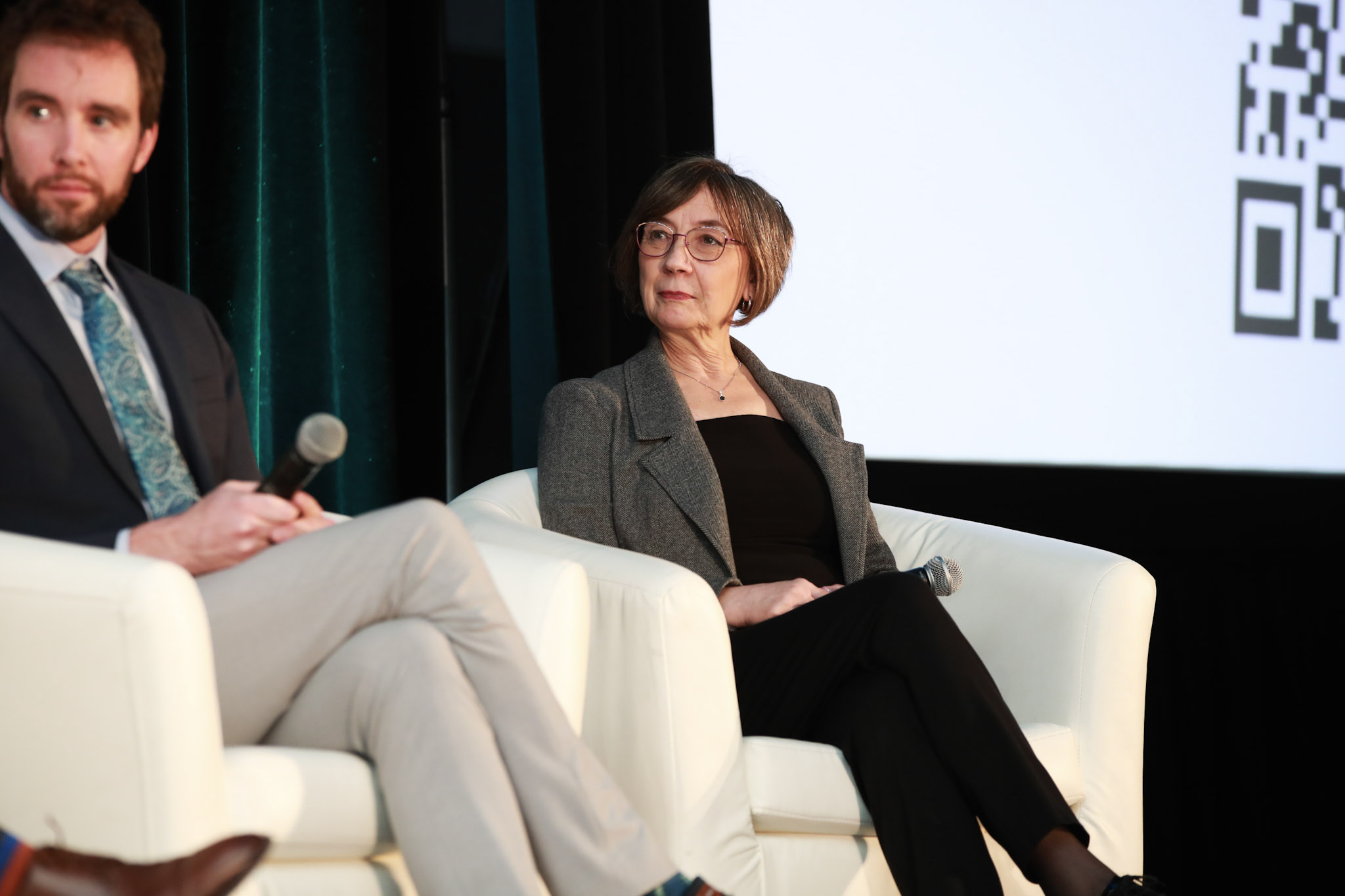


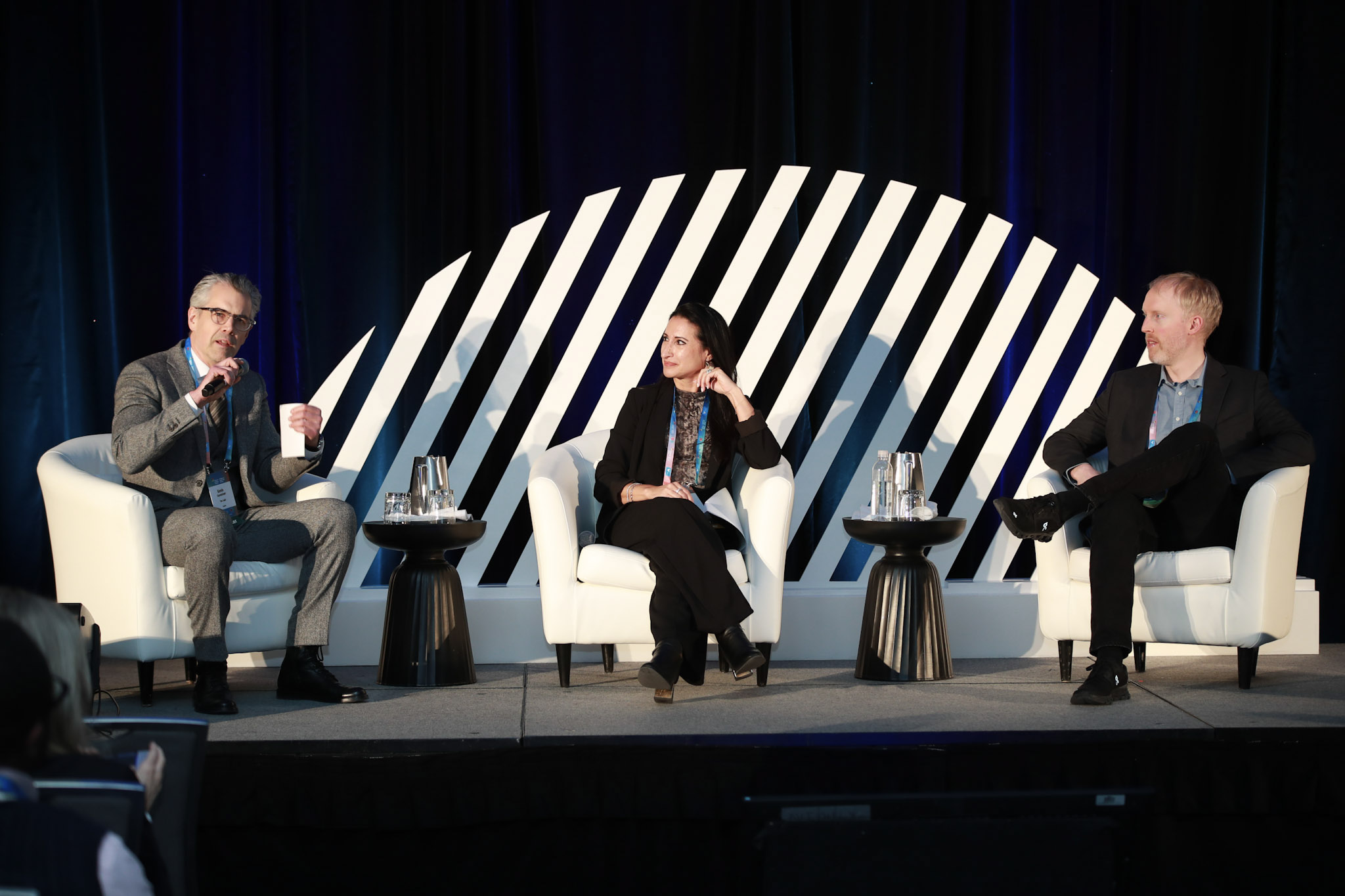

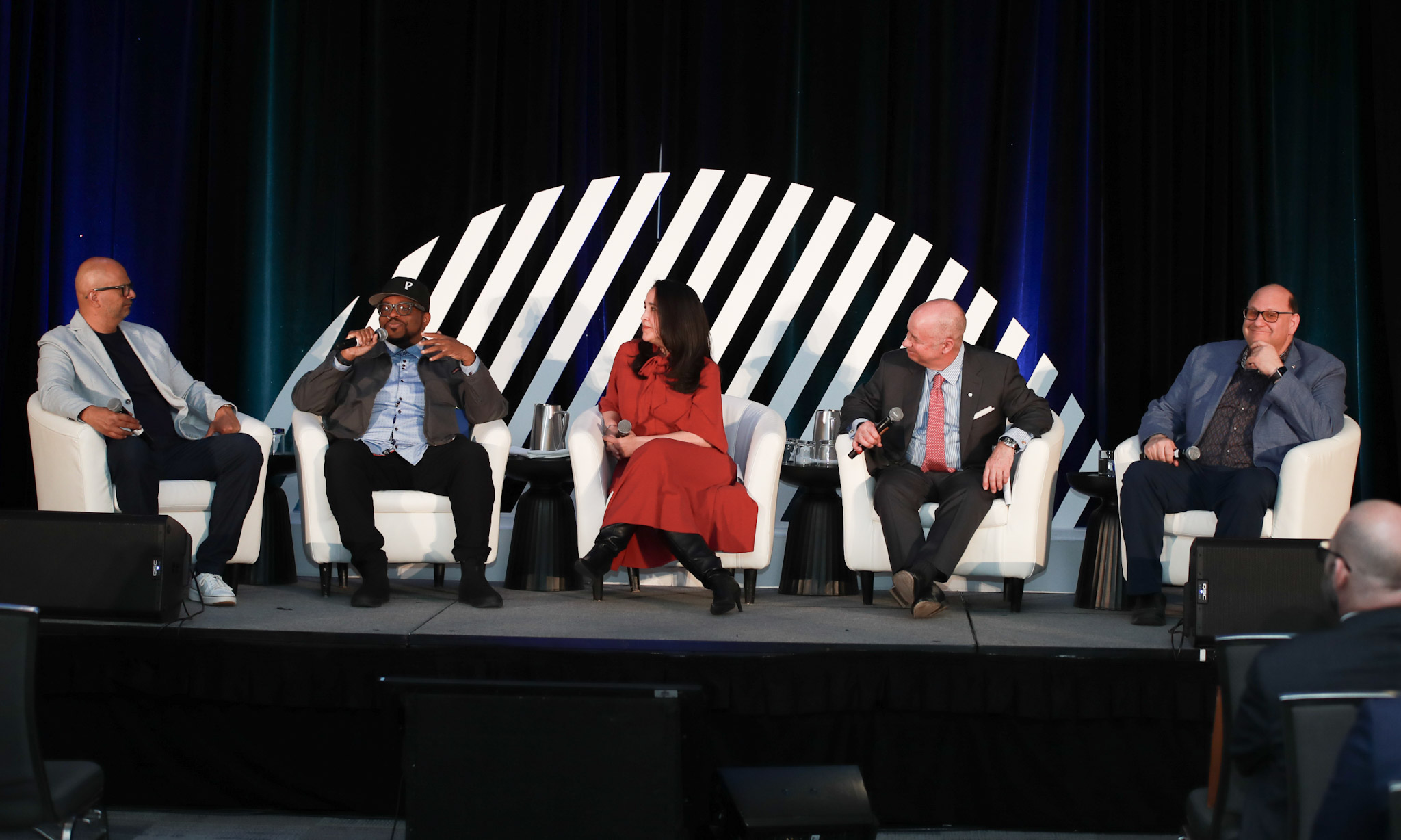











For the full list of speakers who attended and shared their knowledge click here.
In addition to attendees and speakers, the Summit welcomed many representatives of national and international media outlets, including The Globe and Mail, The Logic, the Canadian Press, The New York Times, The Wall Street Journal, Bloomberg and Reuters. It was a privilege to play host in such a beautifully designed space next to an iconic Canadian landmark like the Rideau Canal.
This event would not have been possible without the generosity of our sponsors. We’d like to say a special thank you to our production and technology partner, Encore, who seamlessly executed the technical vision of the Future of Business Summit.
Thank You to Our Production and Technology Partner

Thank You to Our Event Sponsors
We look forward to seeing you at the next Future of Business Summit!
Other Blogs

As Separatist Vote Looms, Canada Must Renew Its Relationship with Alberta
Policy Matters: Canada’s Next Competitive Advantage Starts at Home