Blog
What We Heard: B7 Energy Ministerial Side Event in Toronto
Advancing dialogue on one of the world’s most pressing challenges: How to deliver energy security and economic growth while accelerating the global transition toward a net-zero future.
Share:




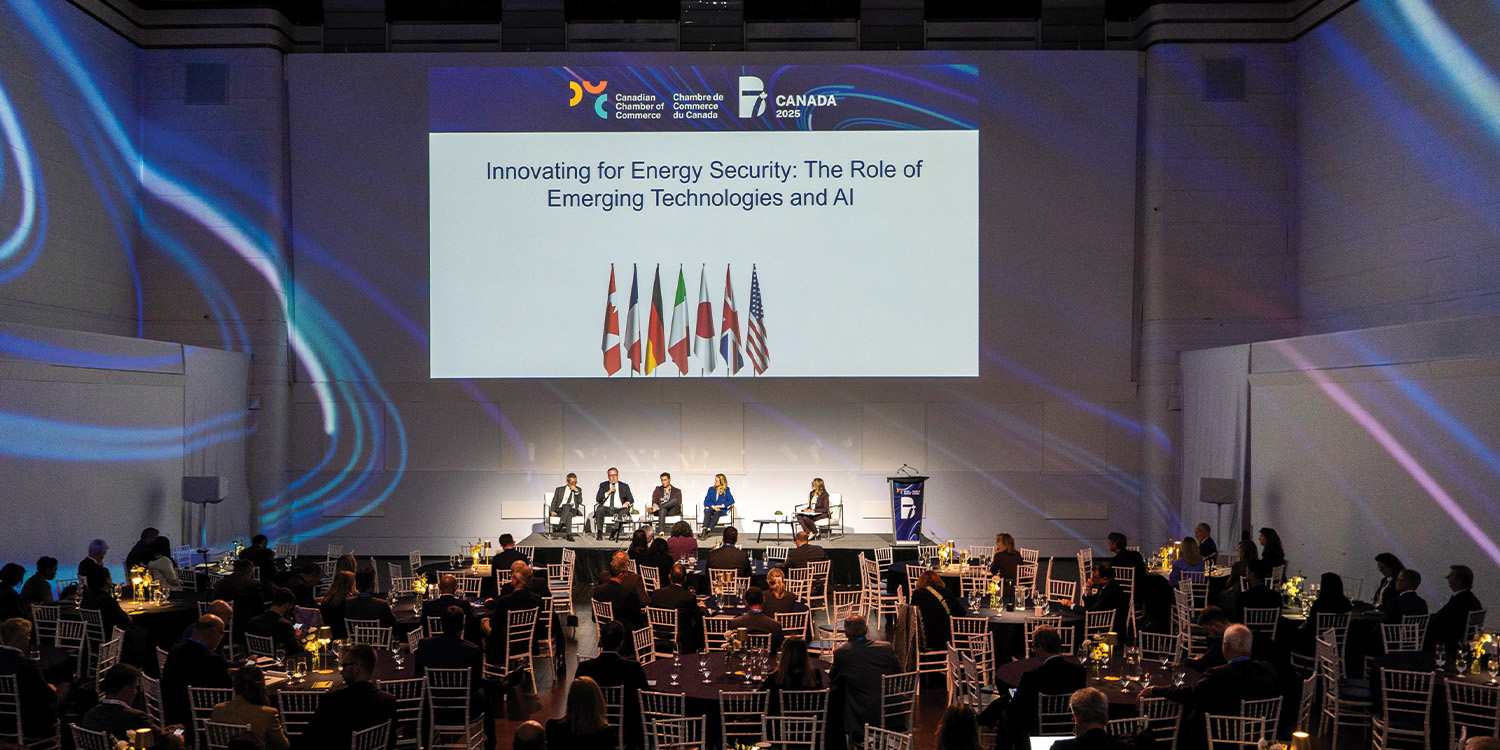
On October 29, senior business leaders, government representatives, and international partners came together in Toronto for the B7 Energy Ministerial Side Event, hosted by the Canadian Chamber of Commerce in collaboration with Natural Resources Canada (NRCan) and Environment and Climate Change Canada (ECCC).
As part of Canada’s 2025 G7 Presidency and the Canadian Chamber’s leadership as B7 President, the event built on momentum from the B7 Summit in Ottawa earlier this year — advancing dialogue on one of the world’s most pressing challenges: How to deliver energy security and economic growth while accelerating the global transition toward a net-zero future.


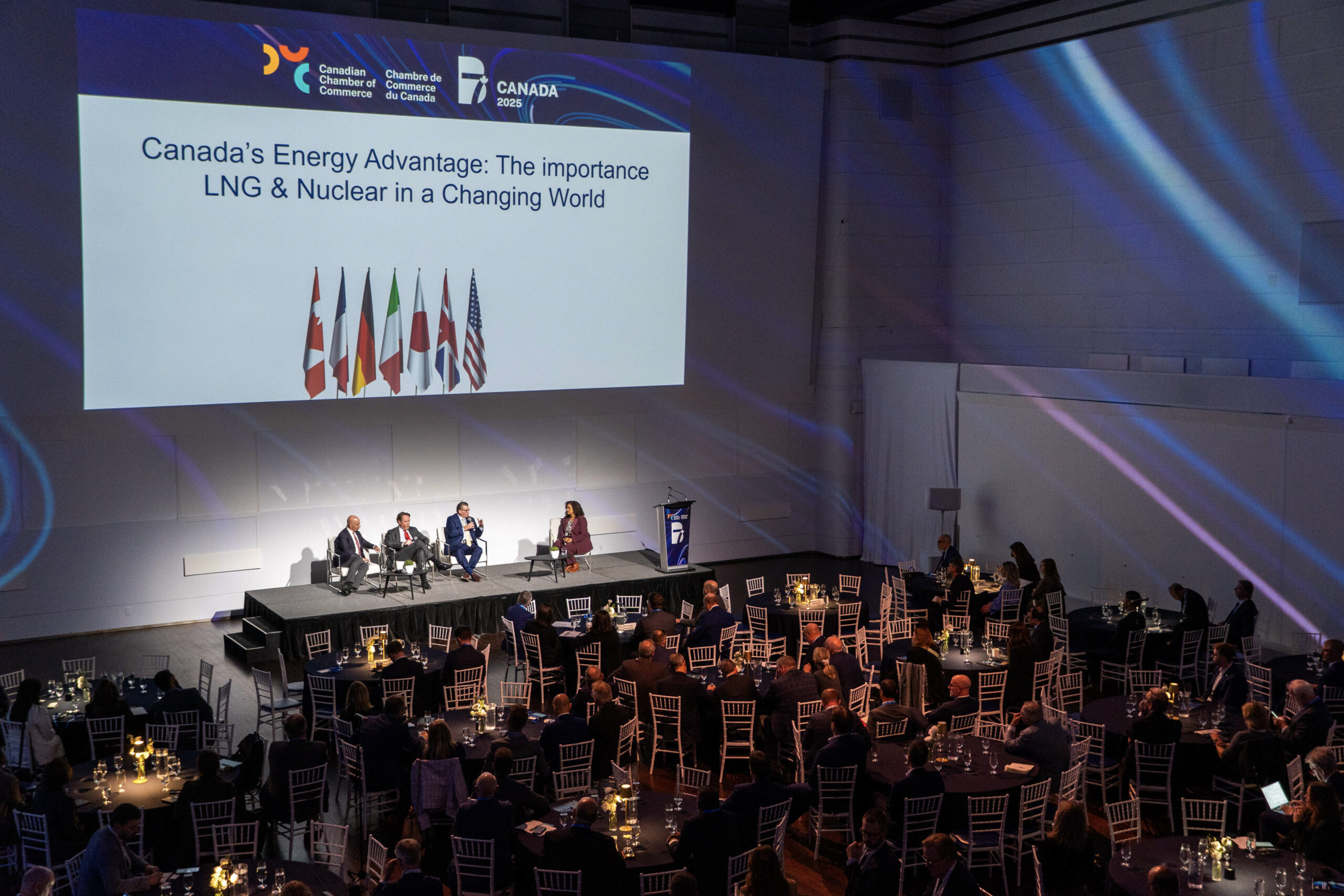
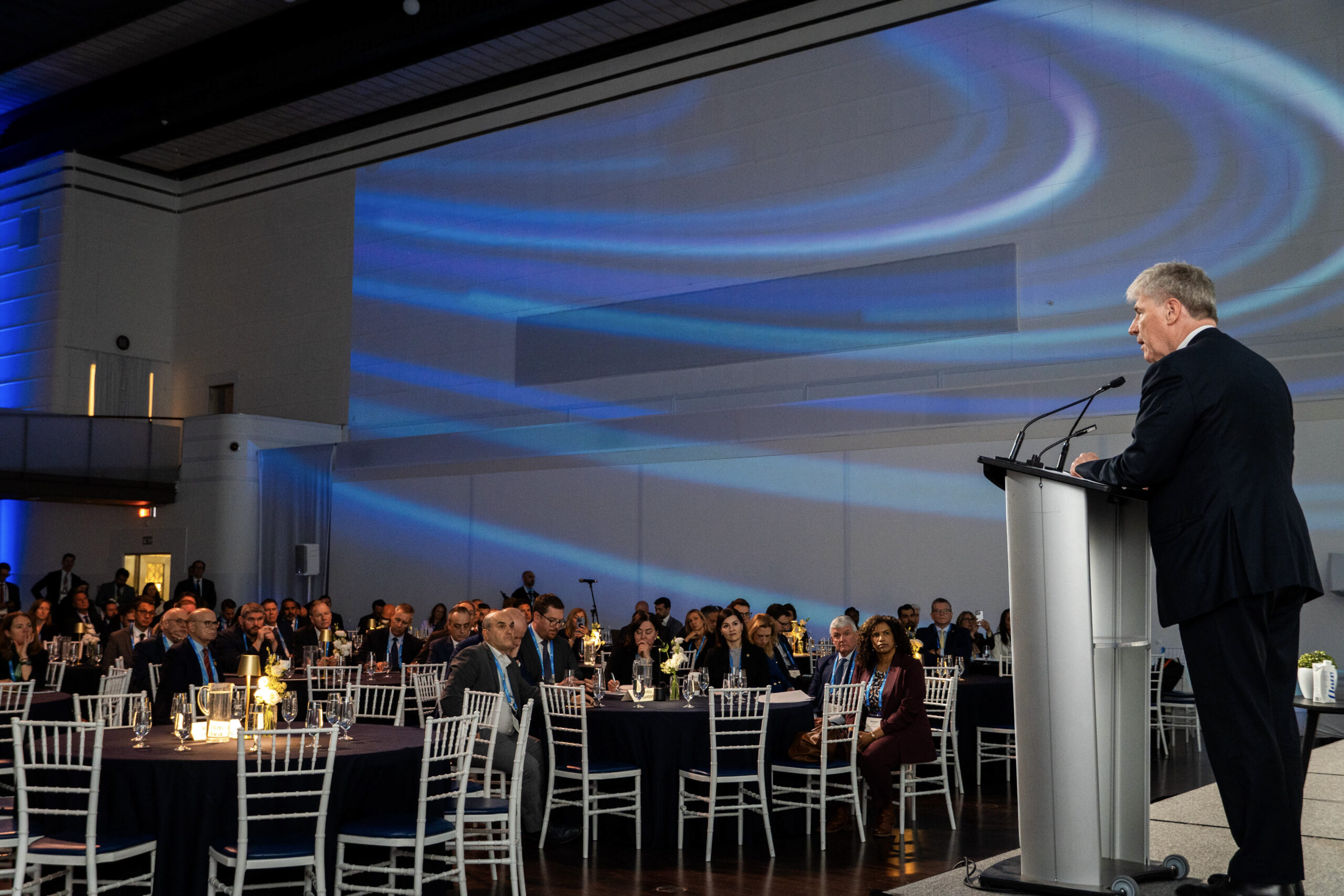
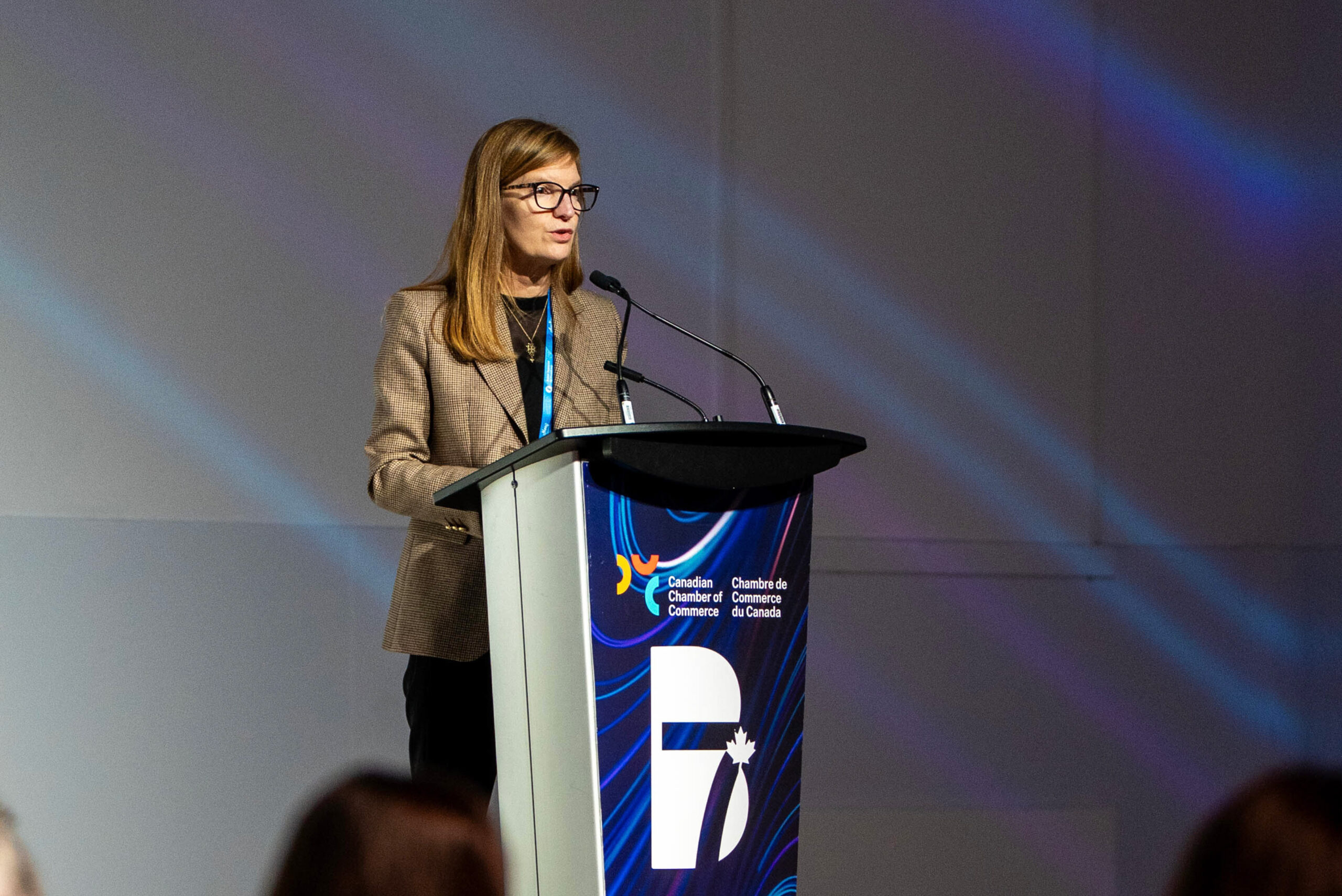
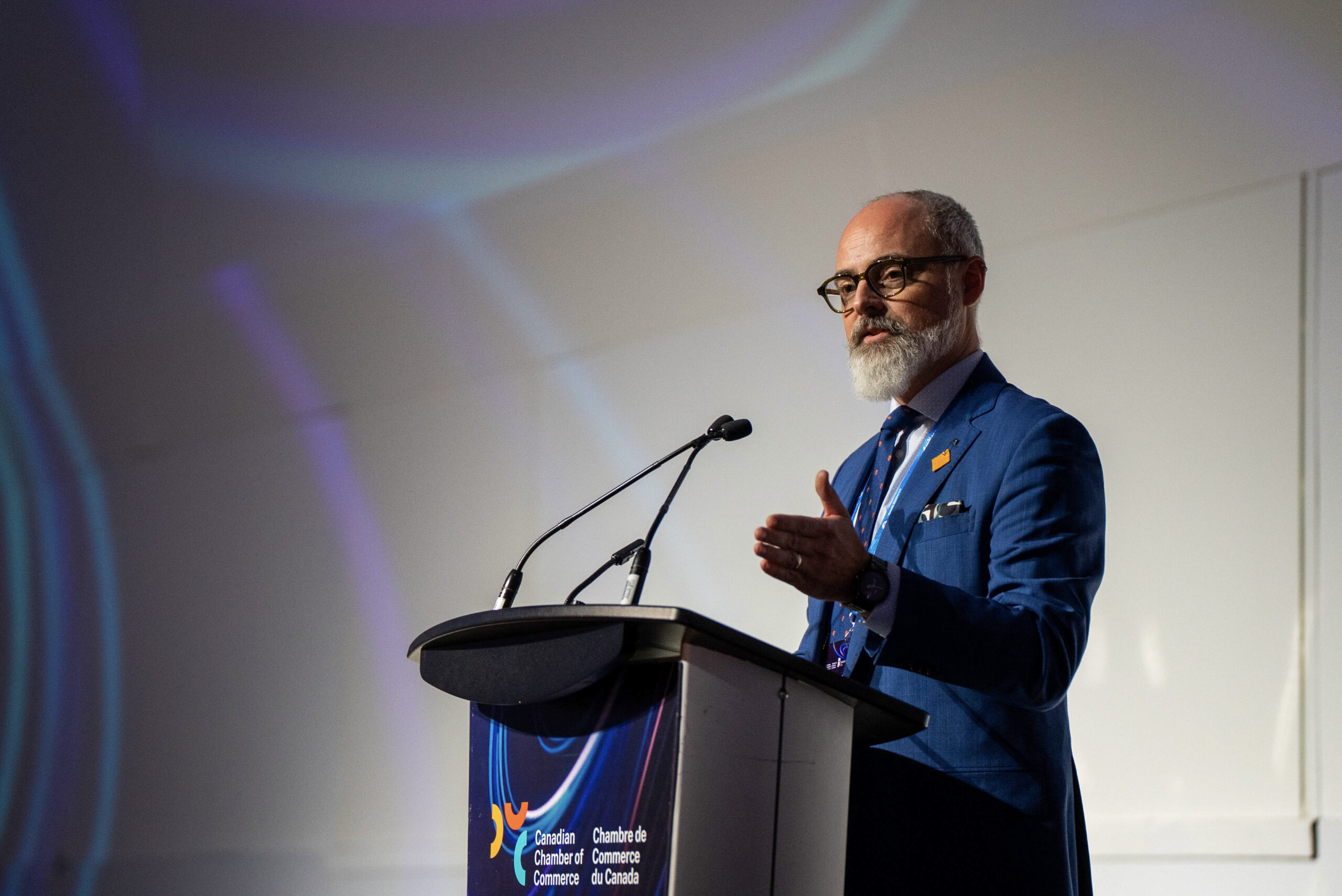
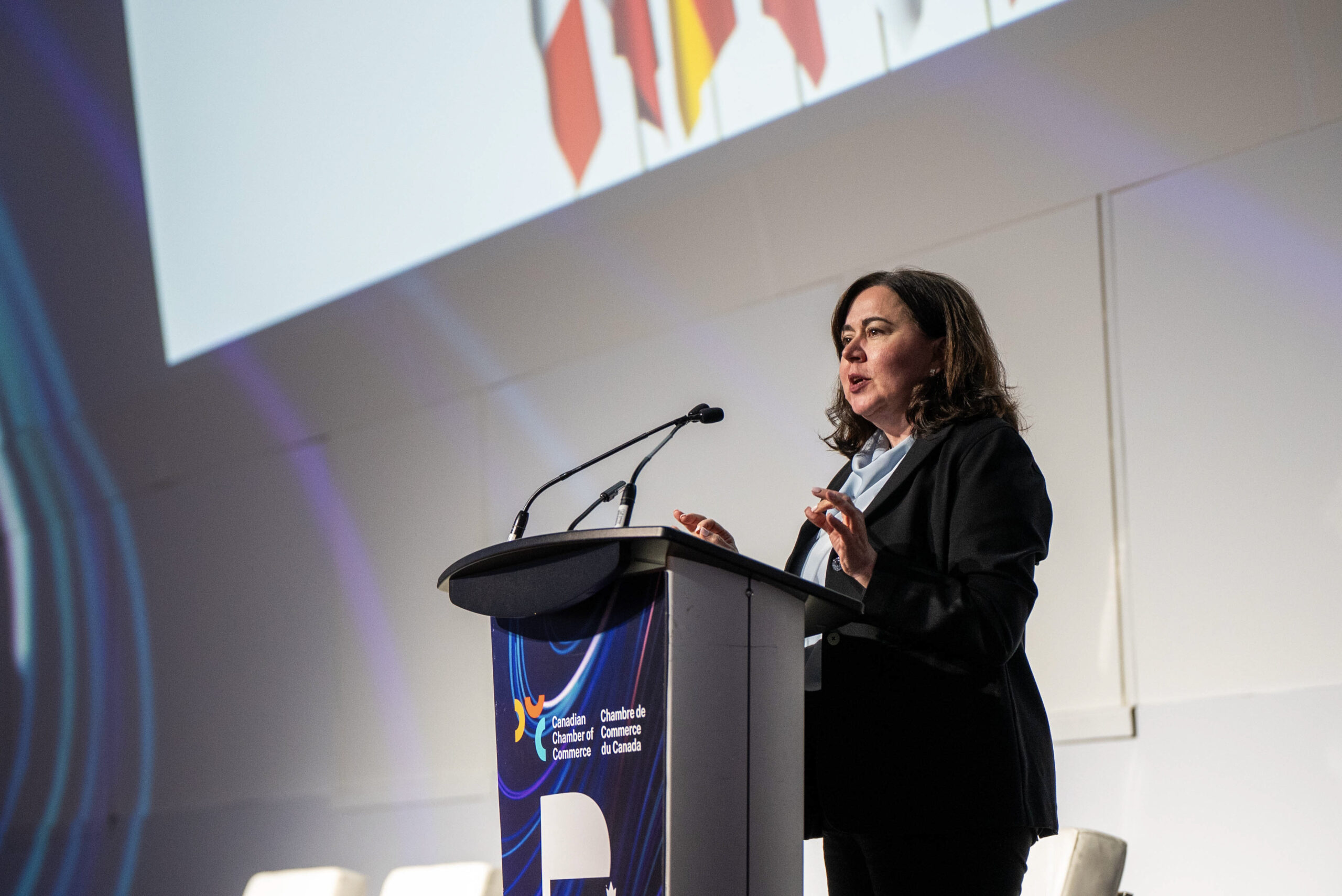
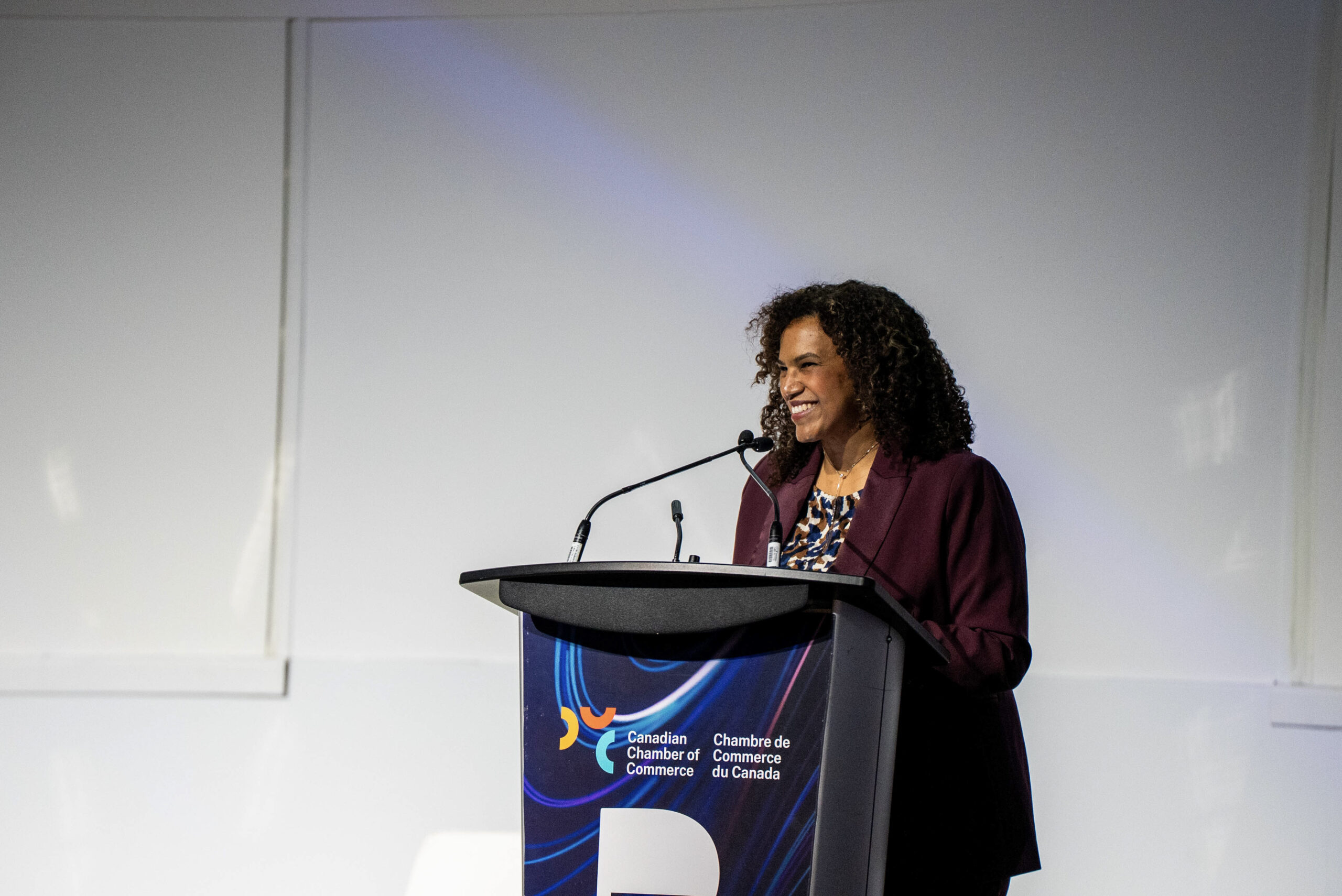
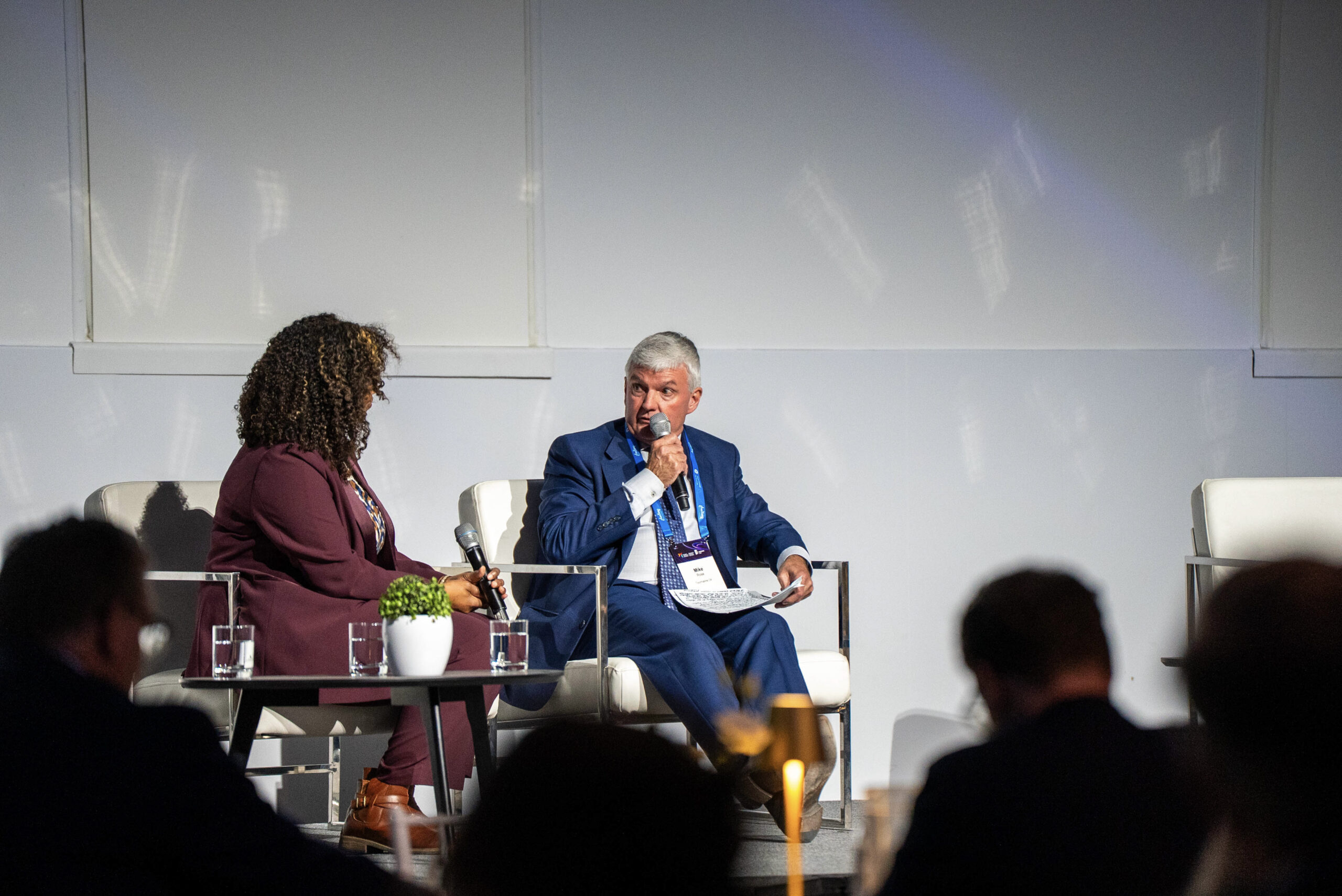
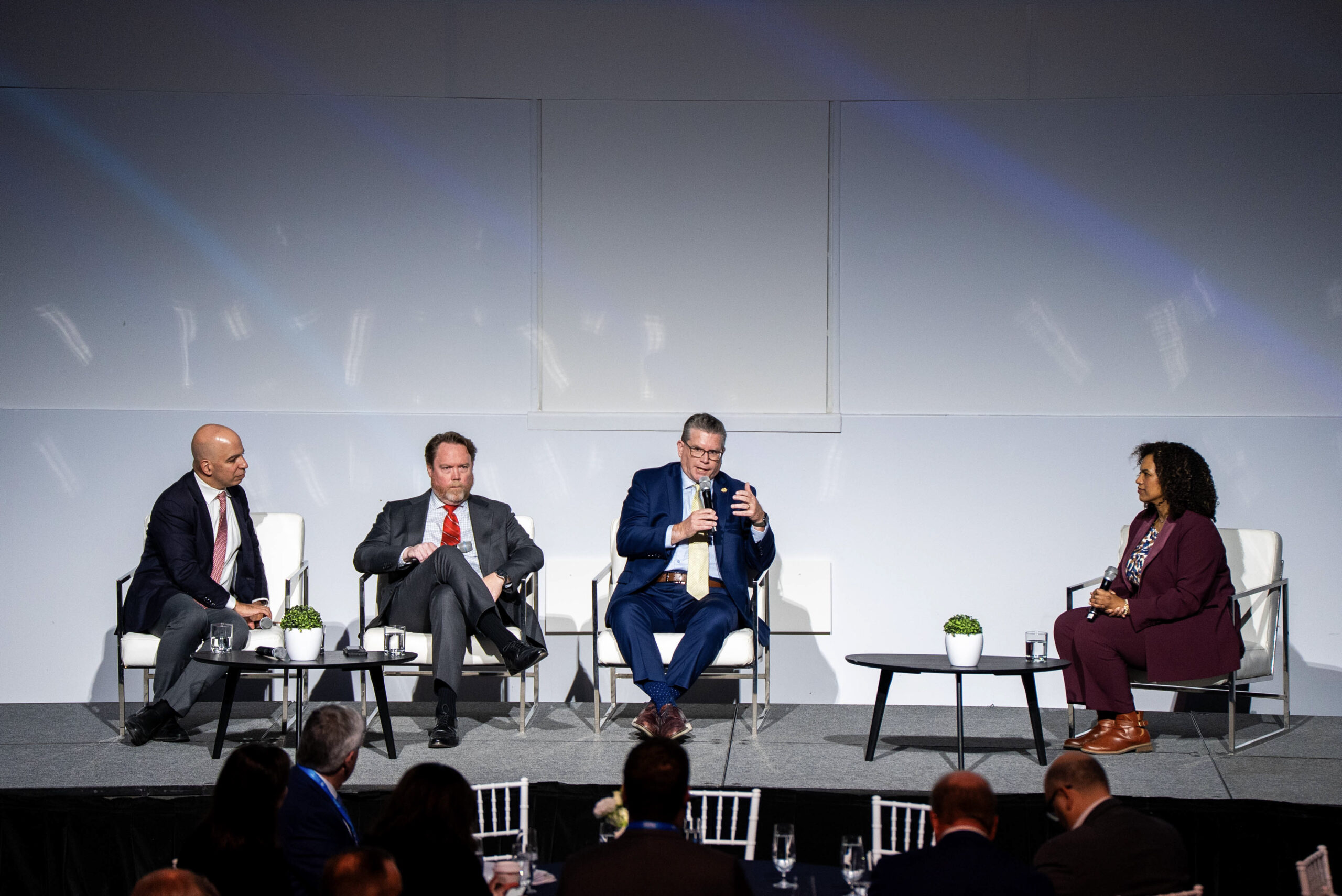
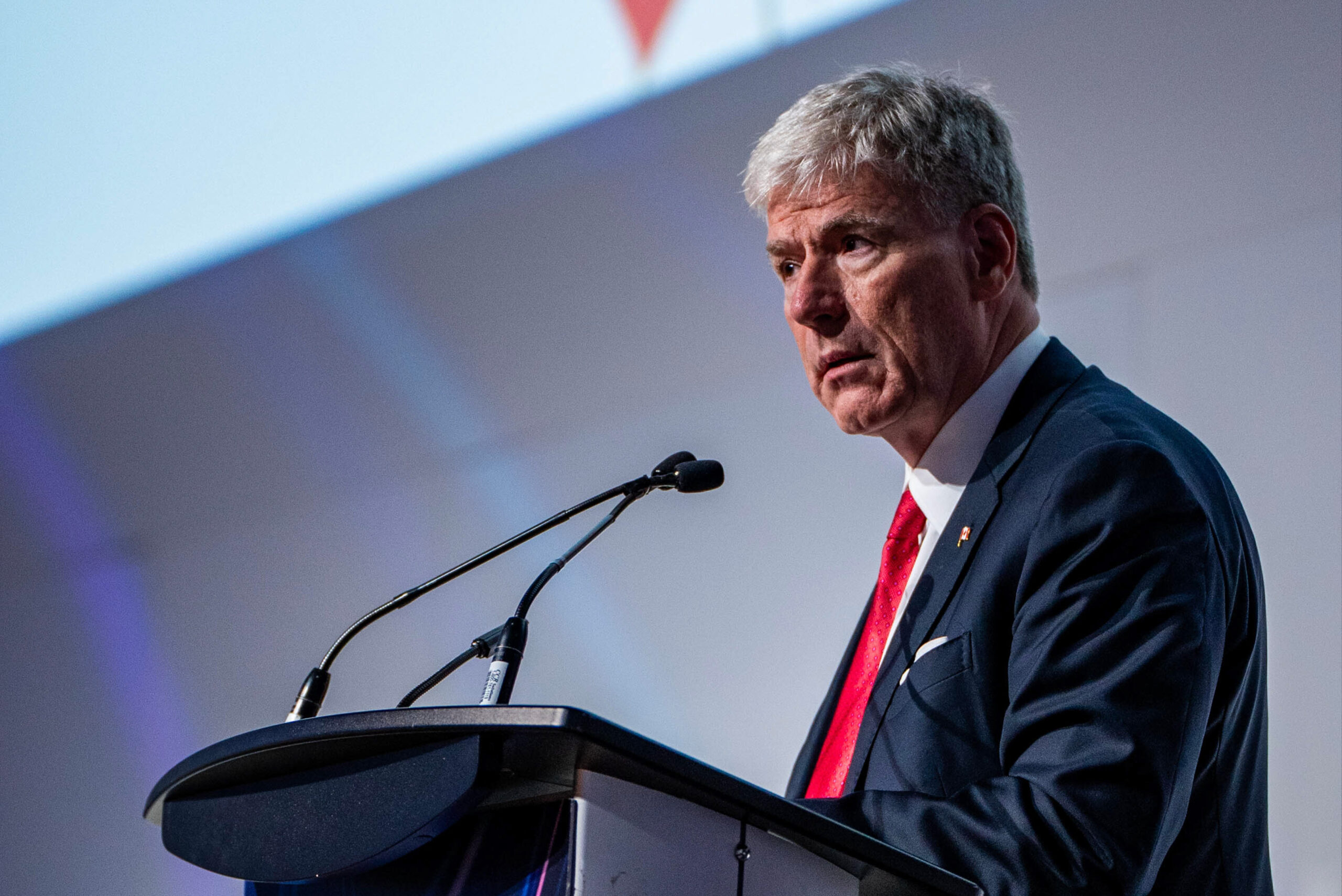
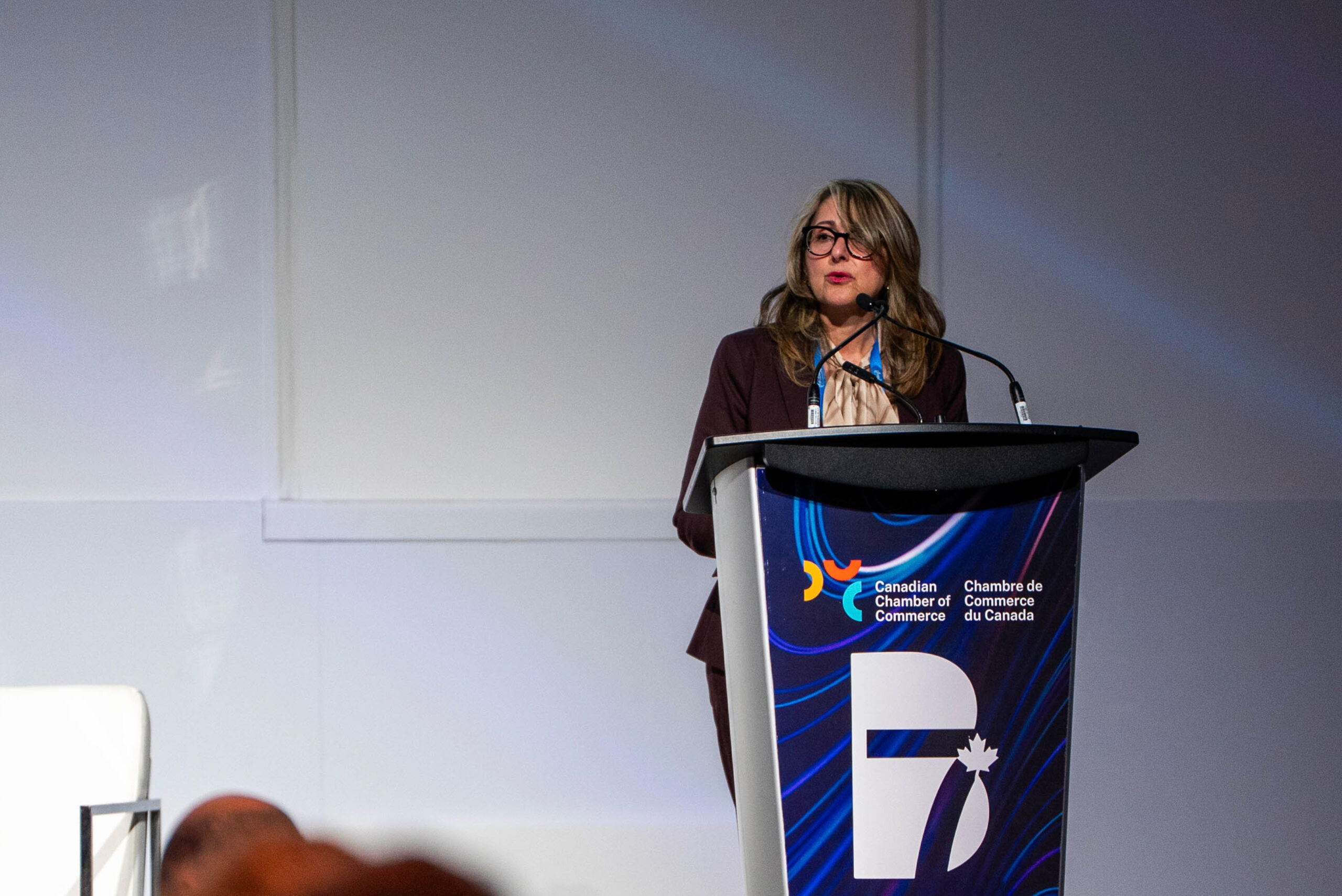
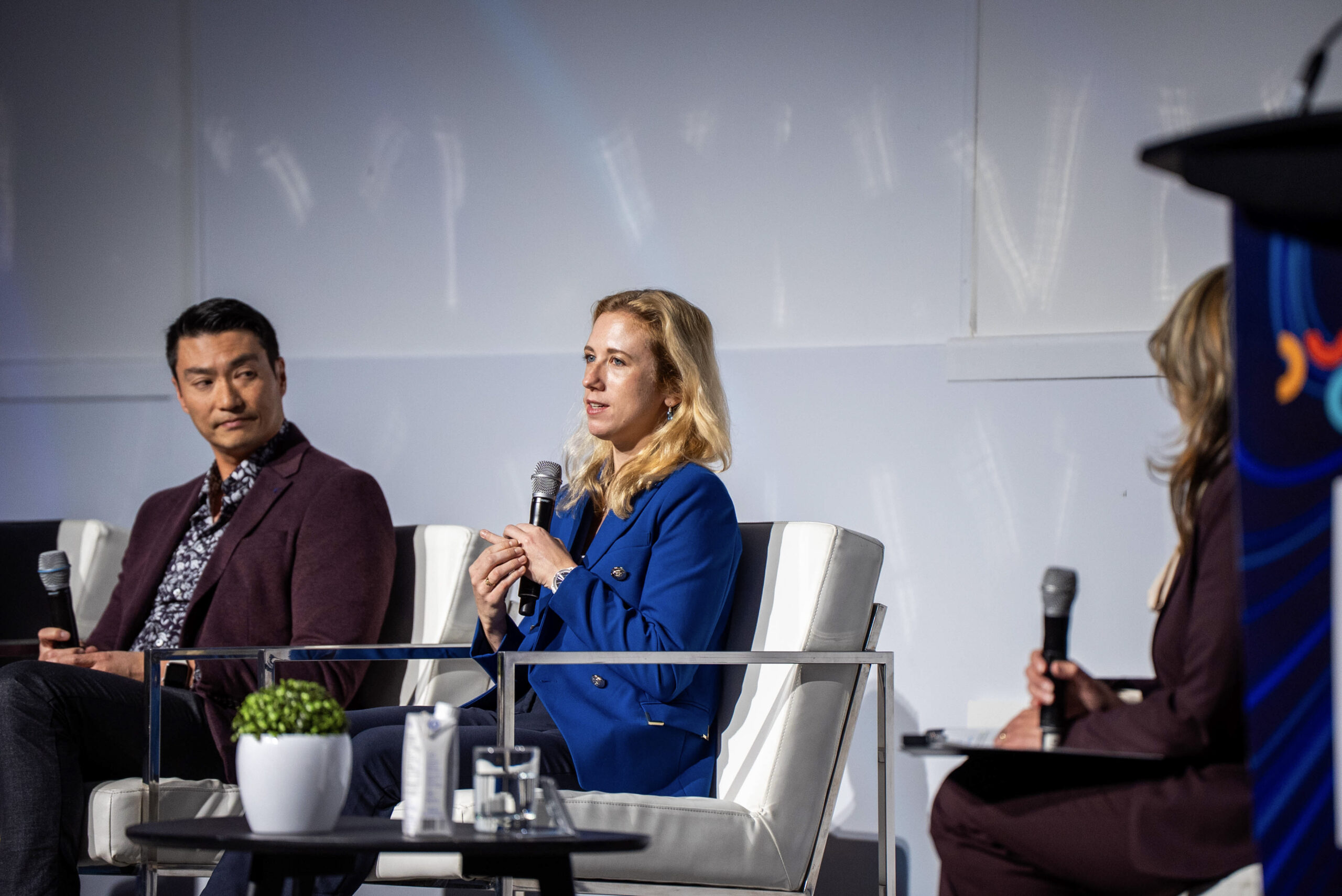

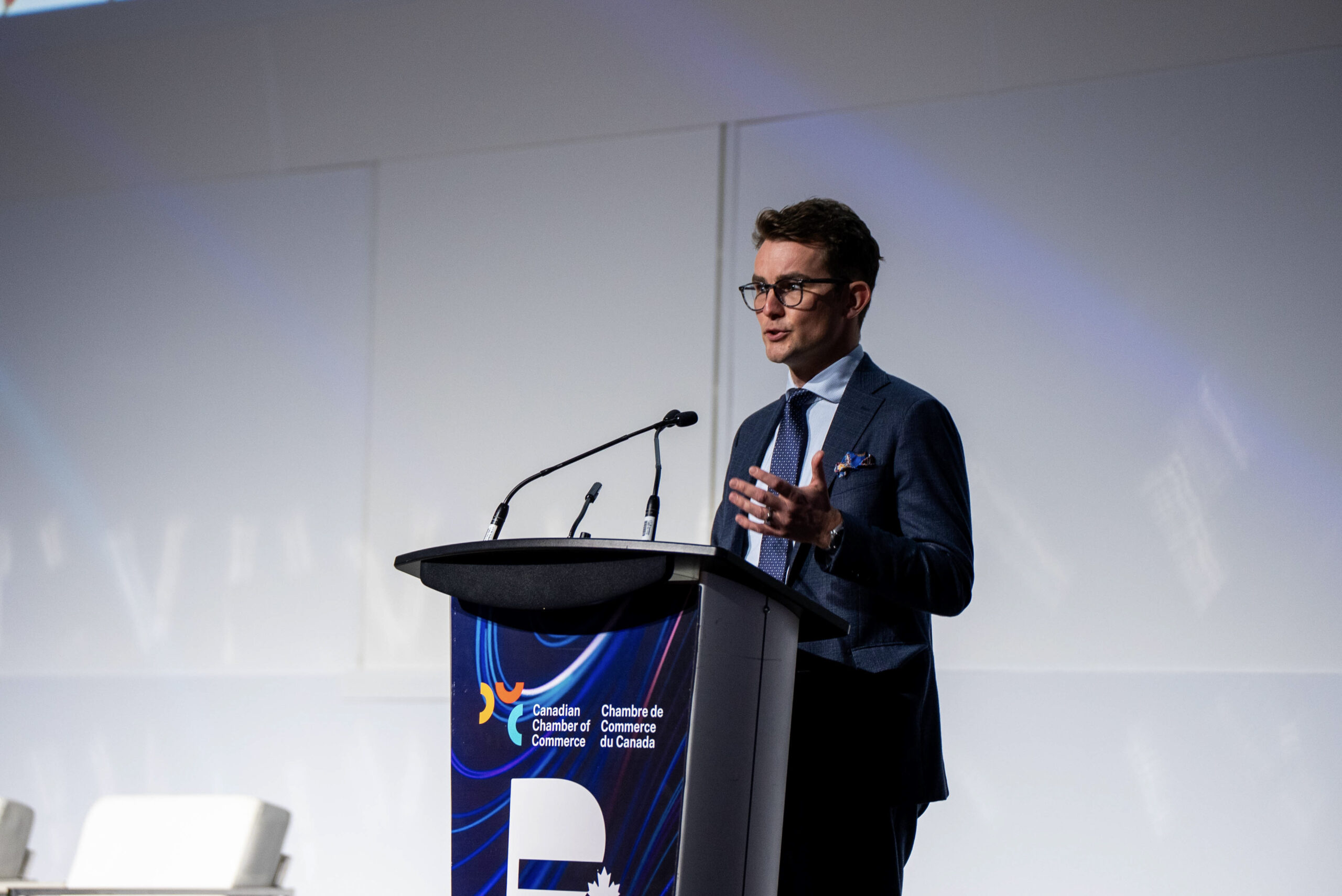

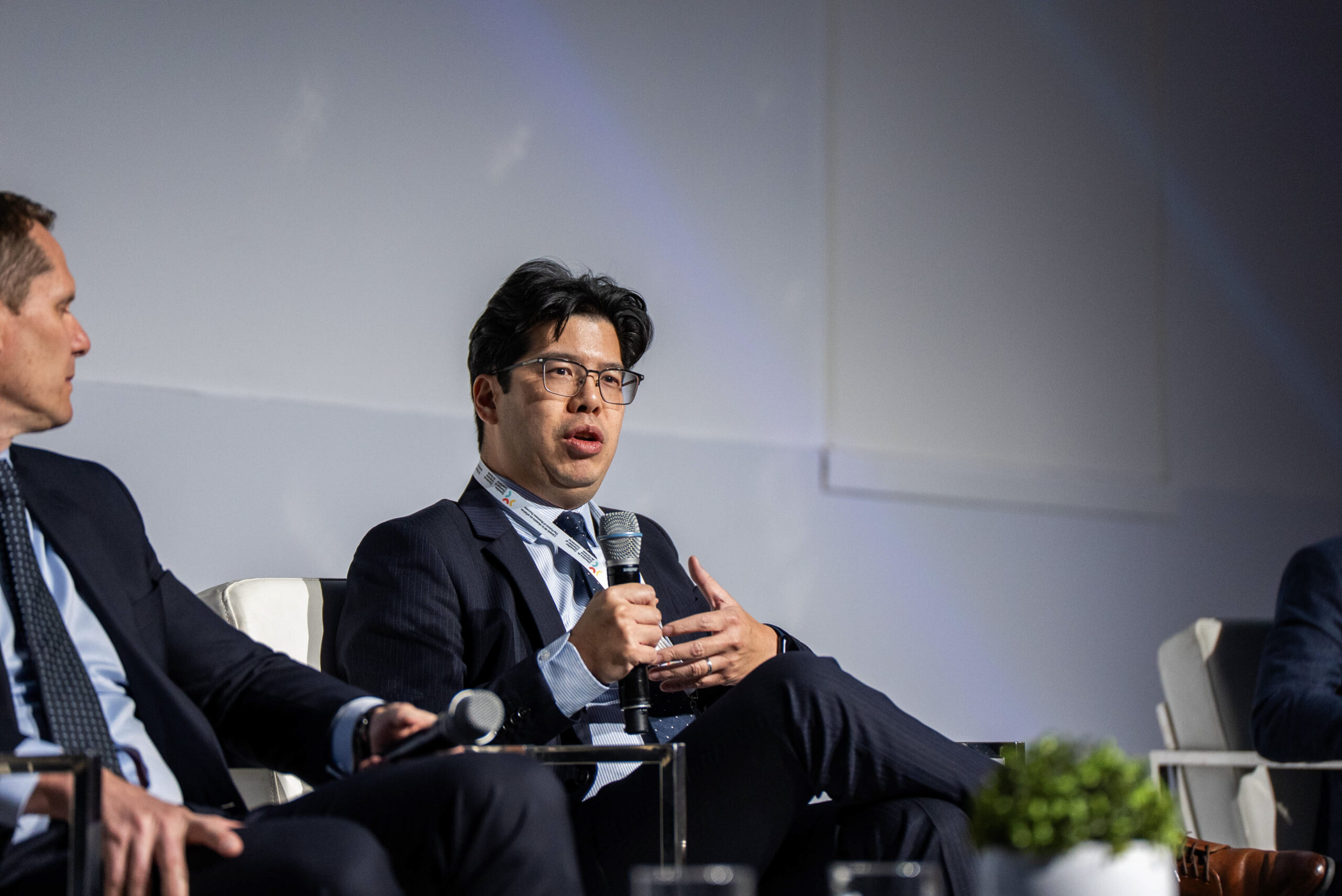
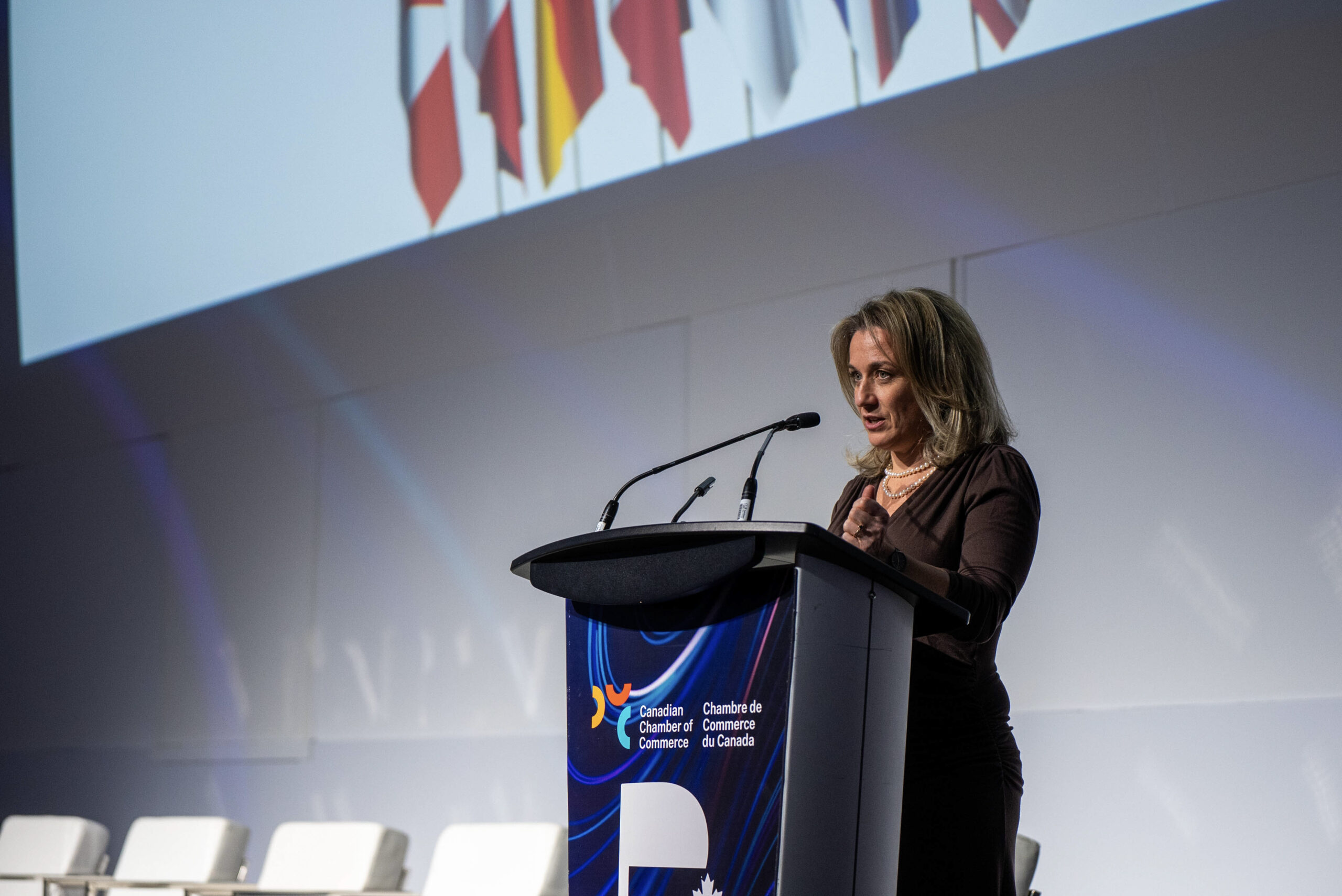
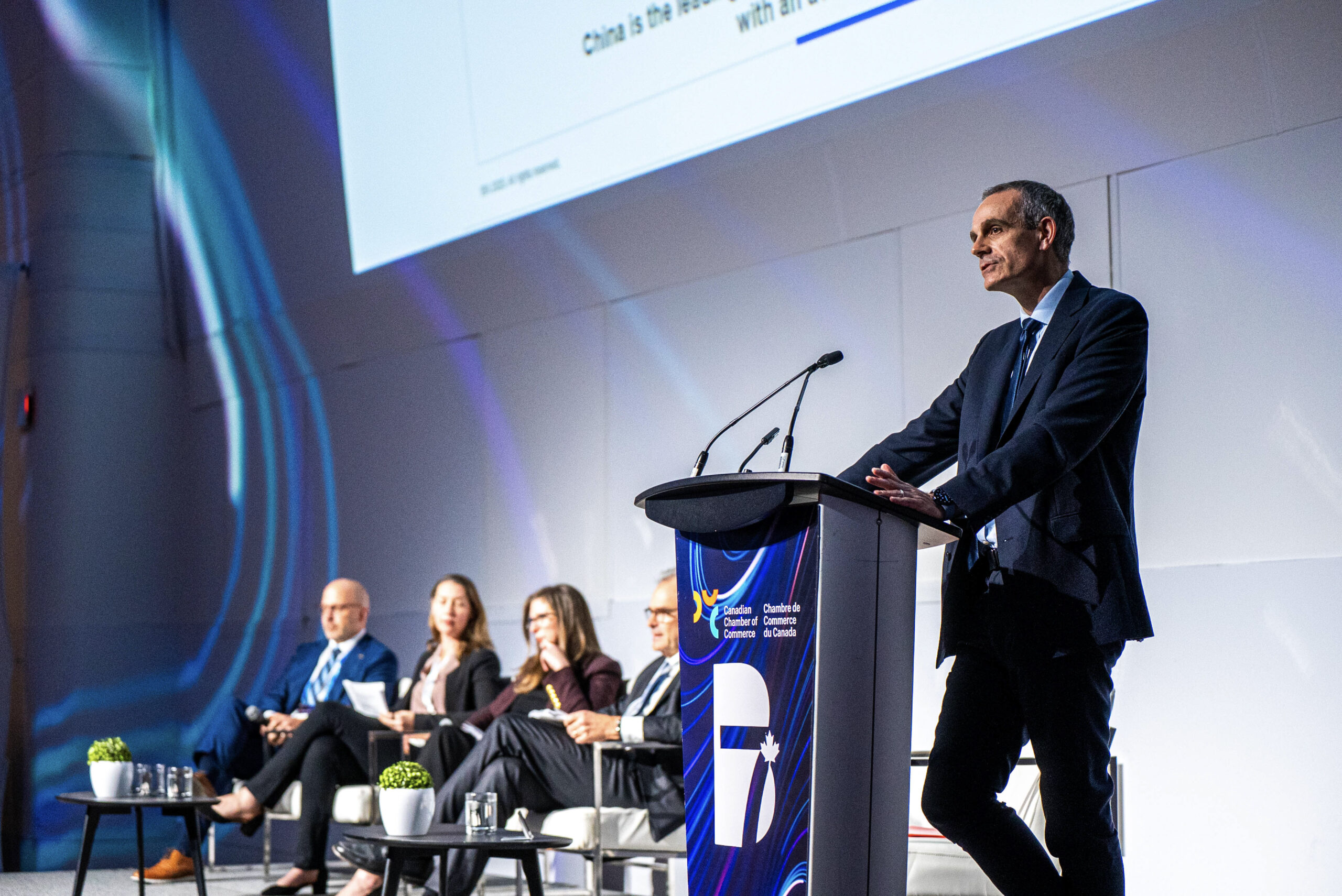
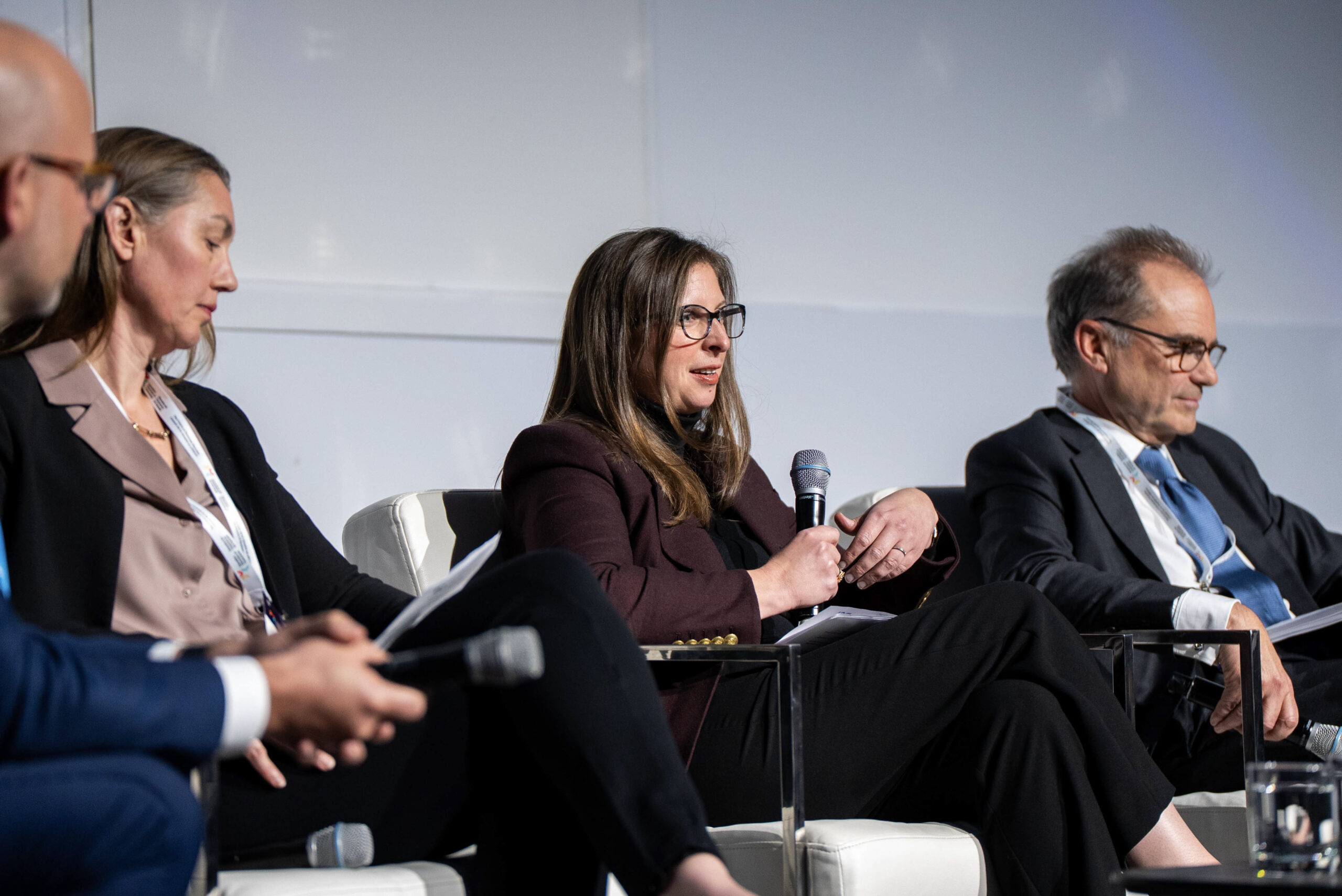
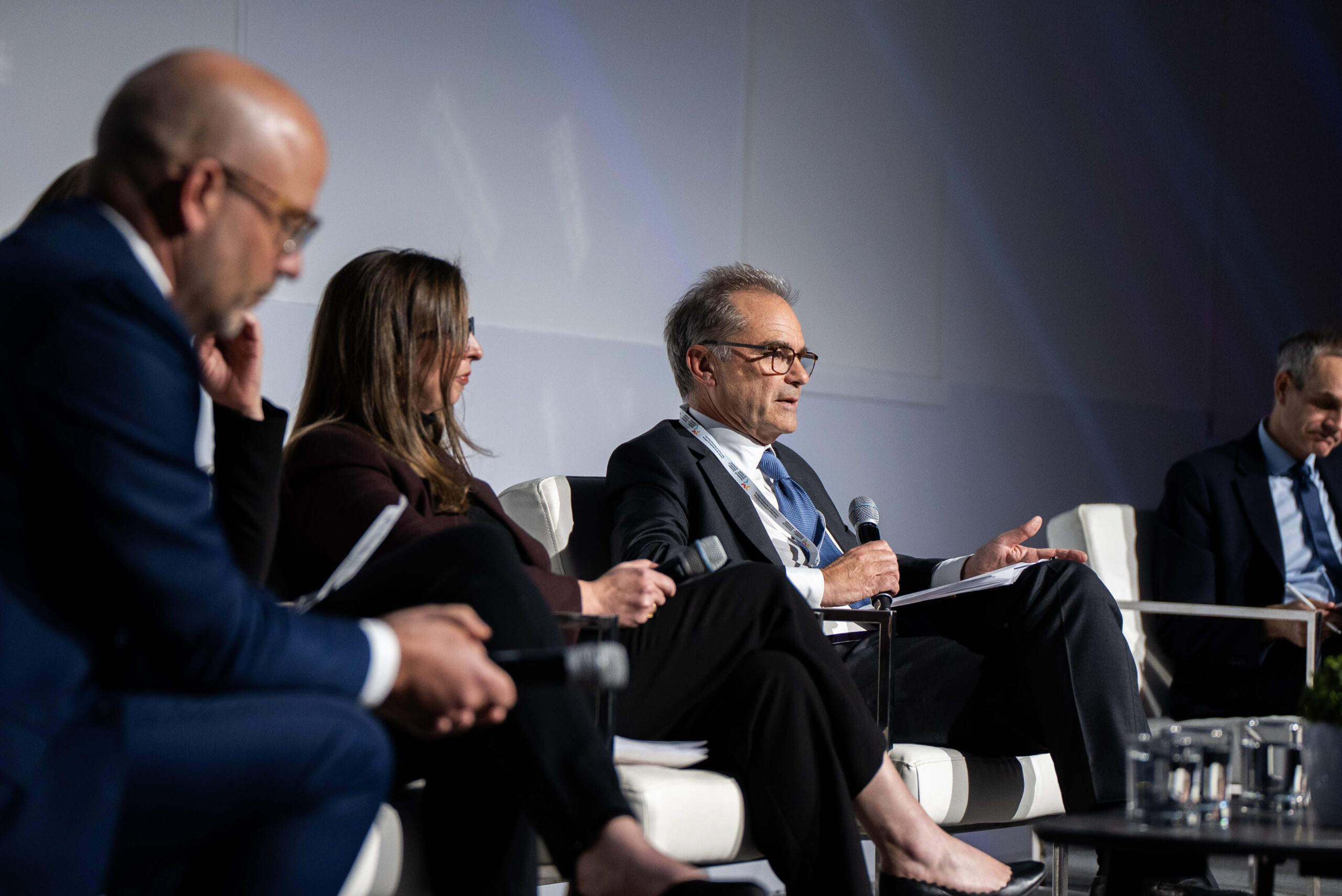
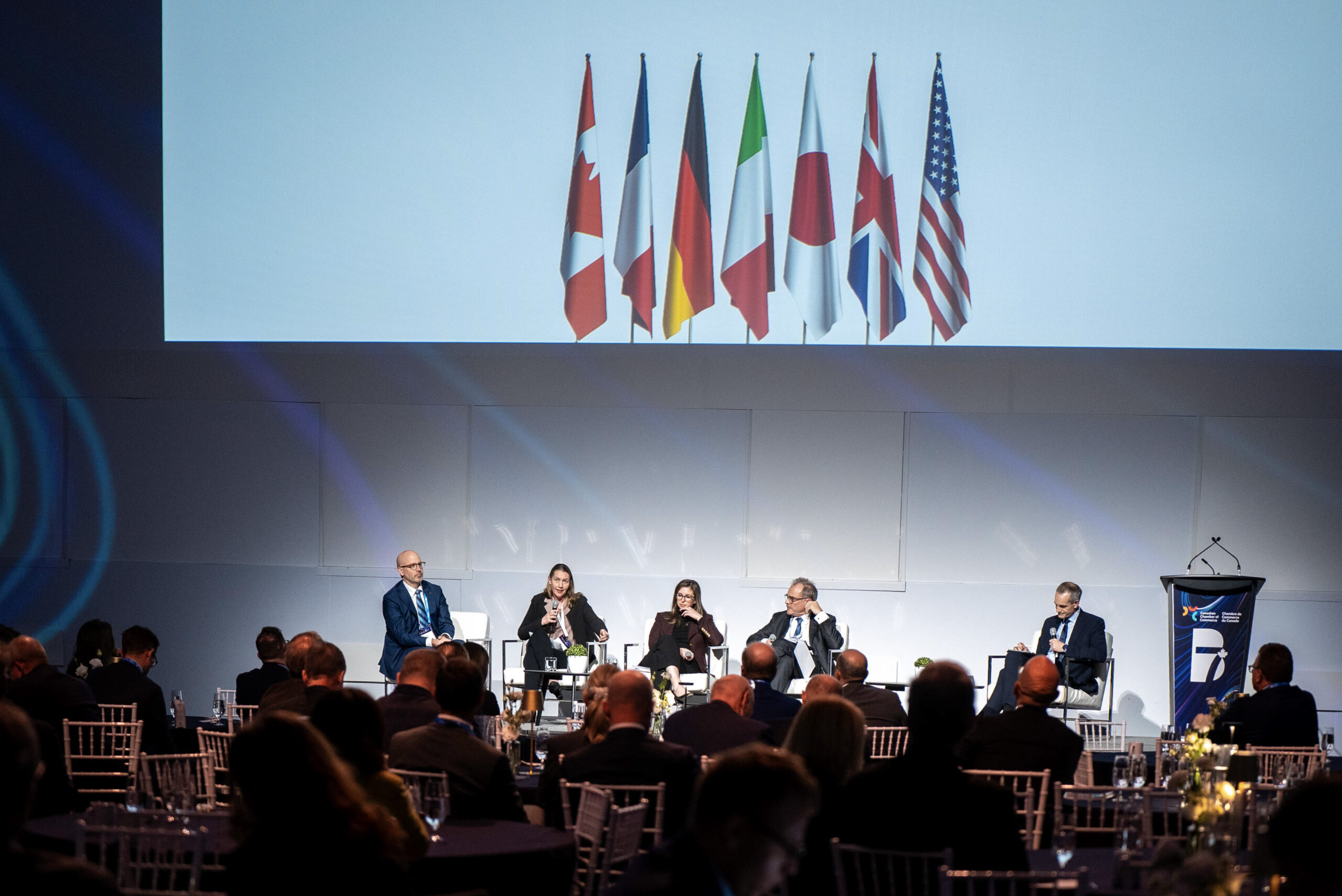
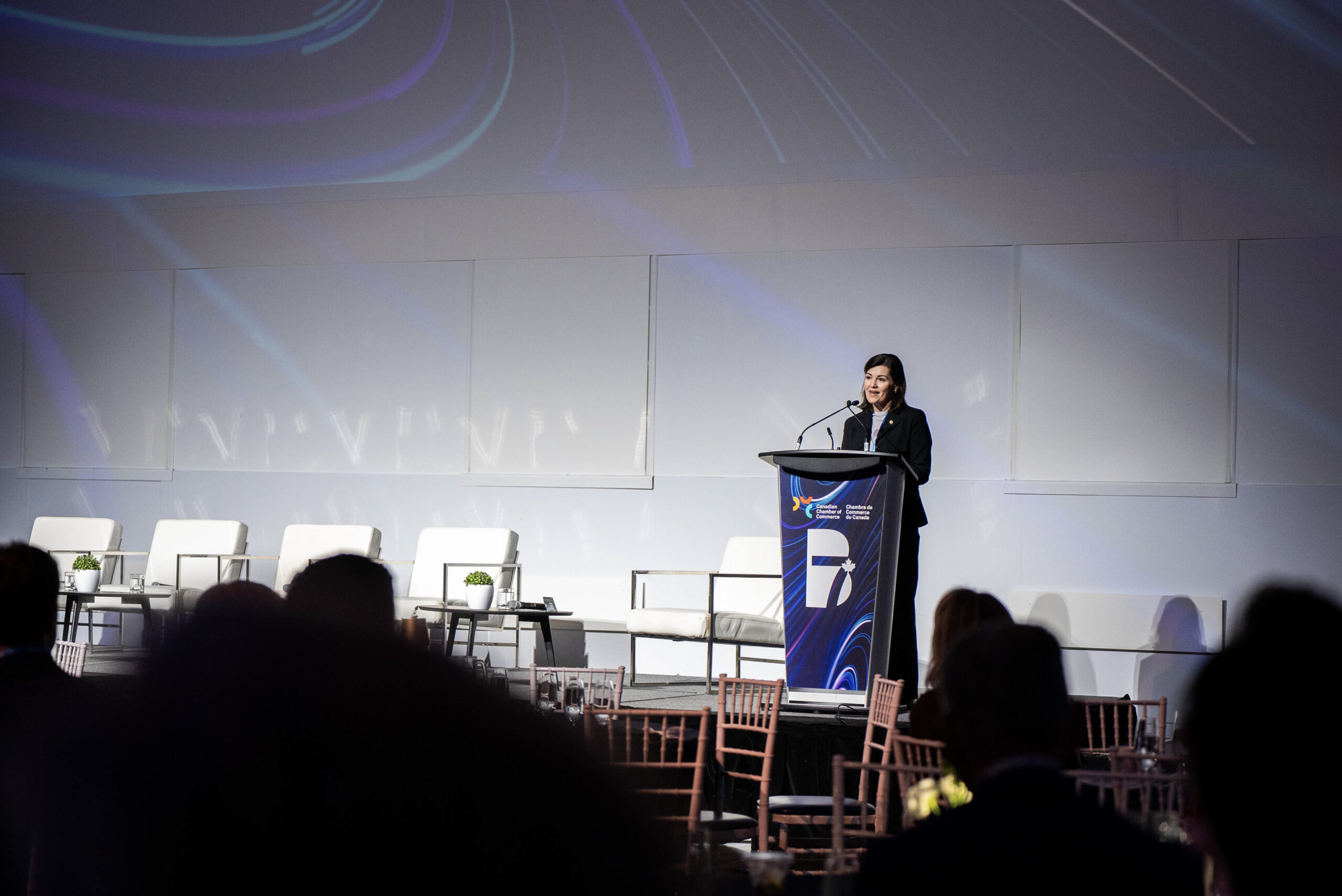
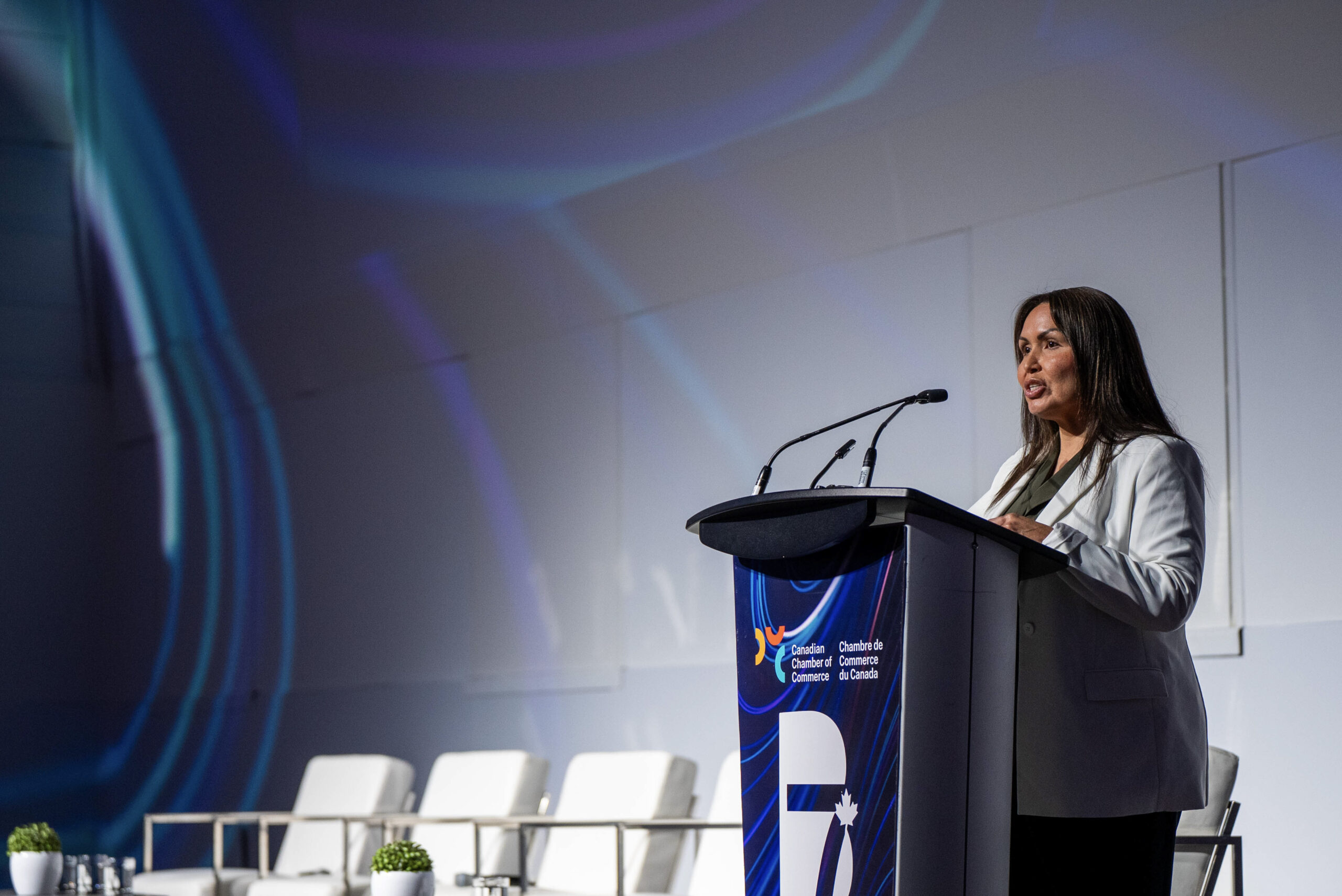
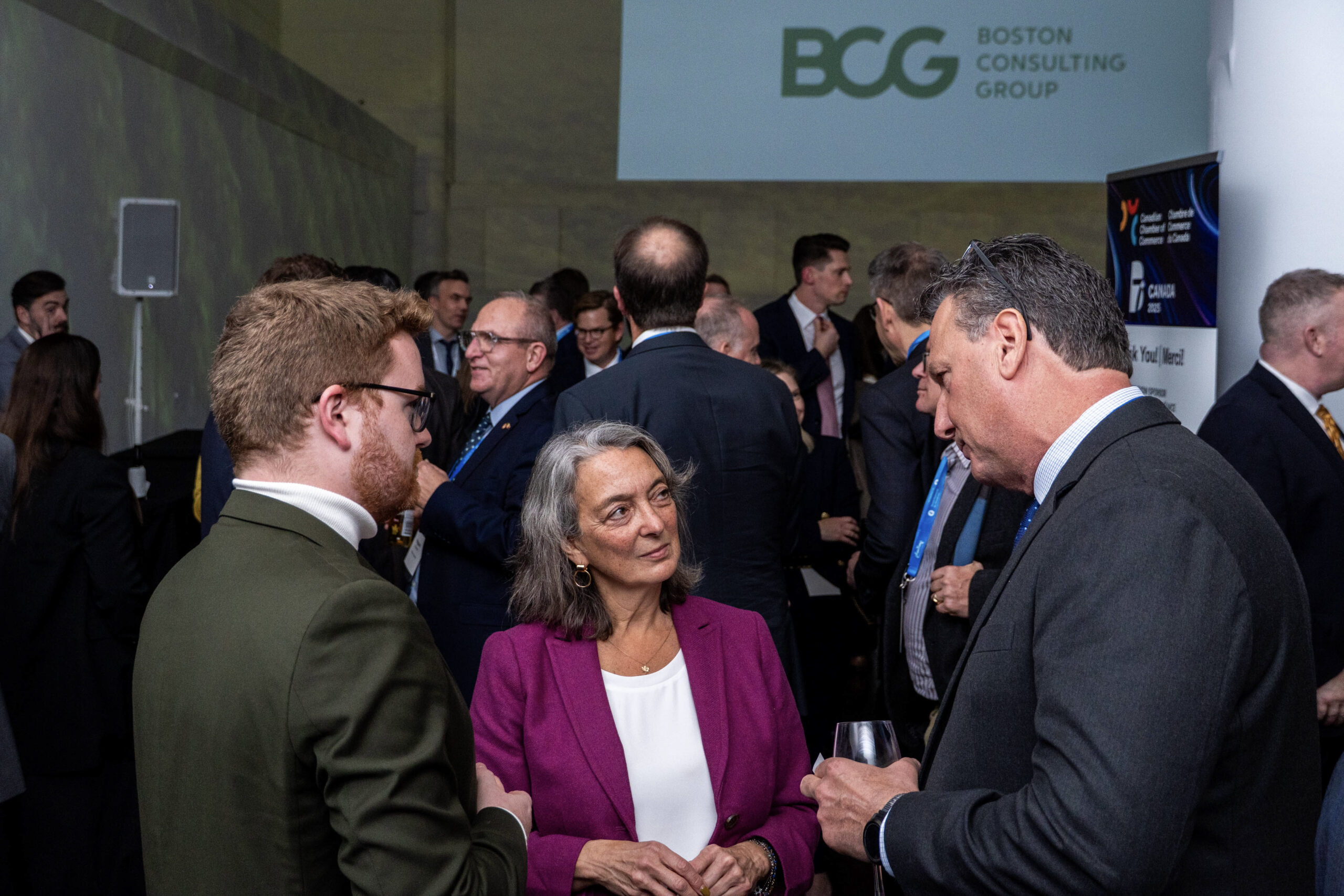

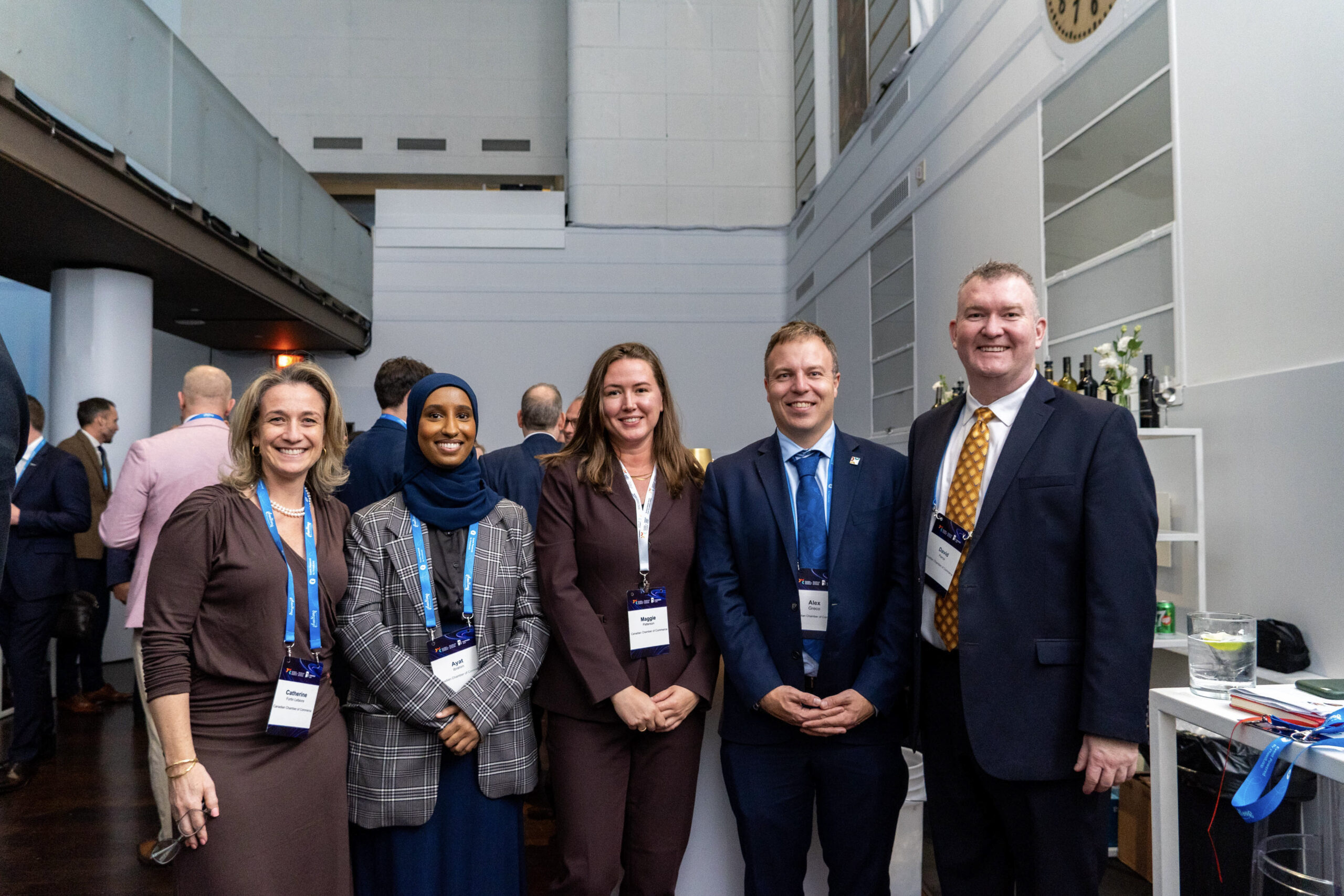

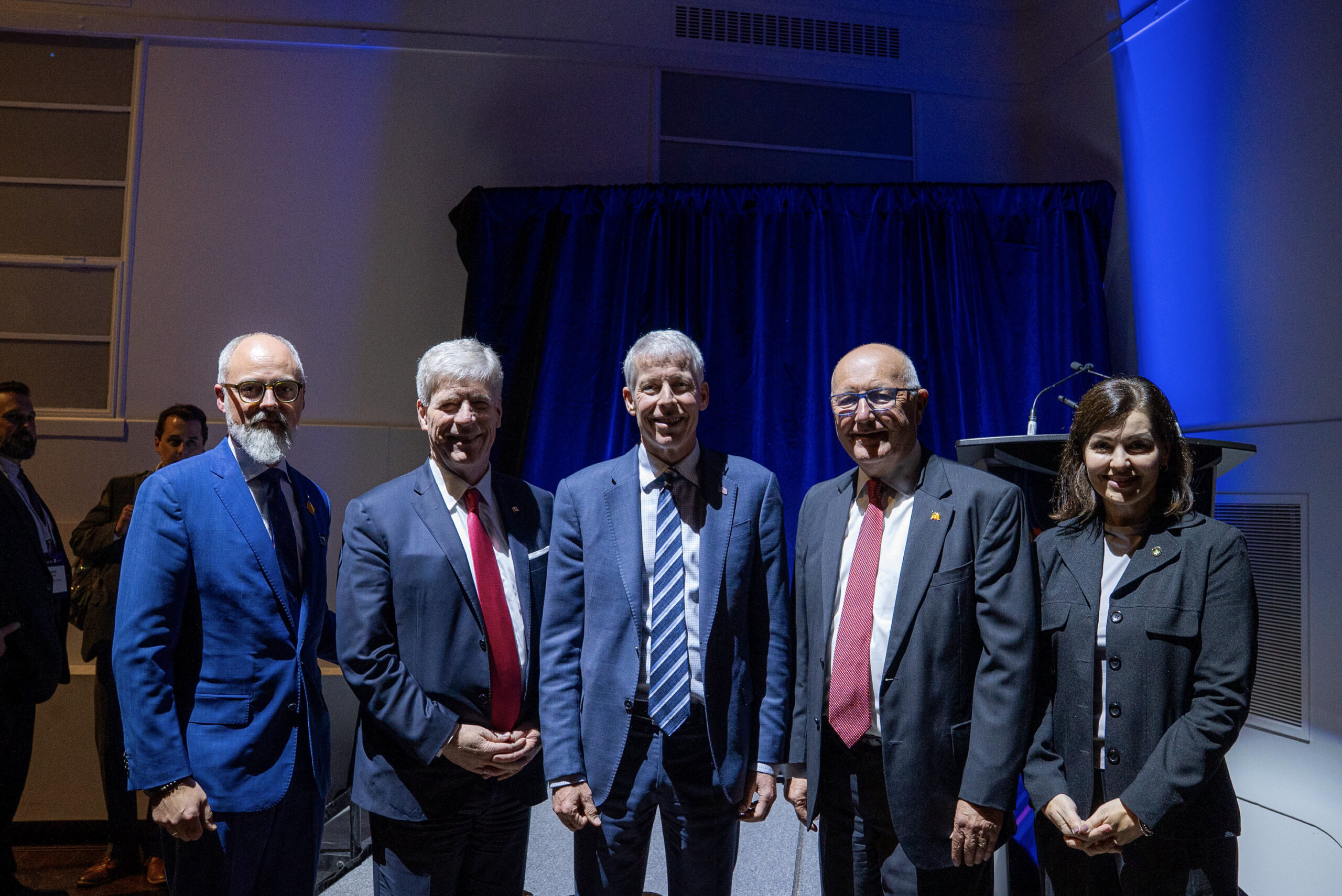
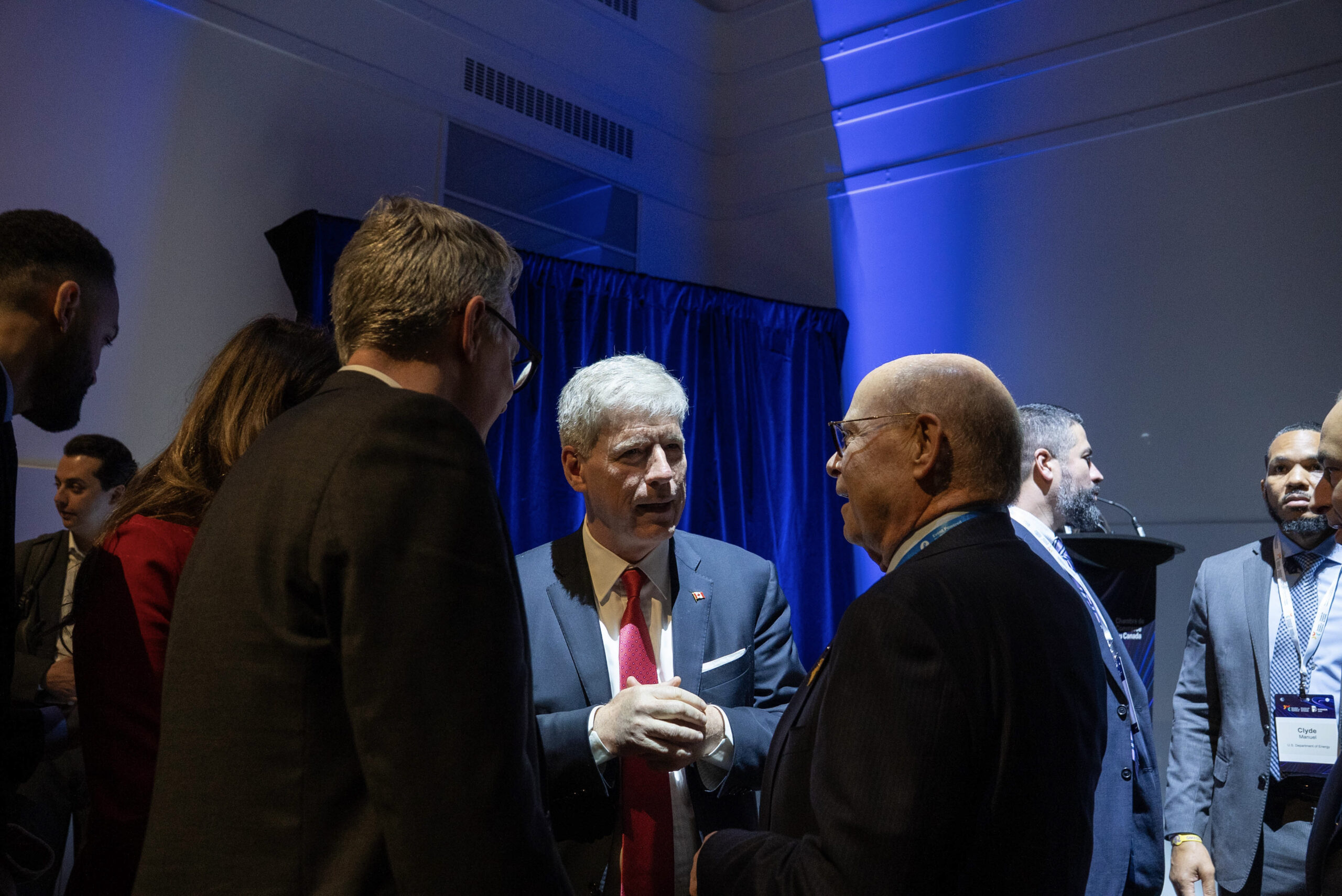
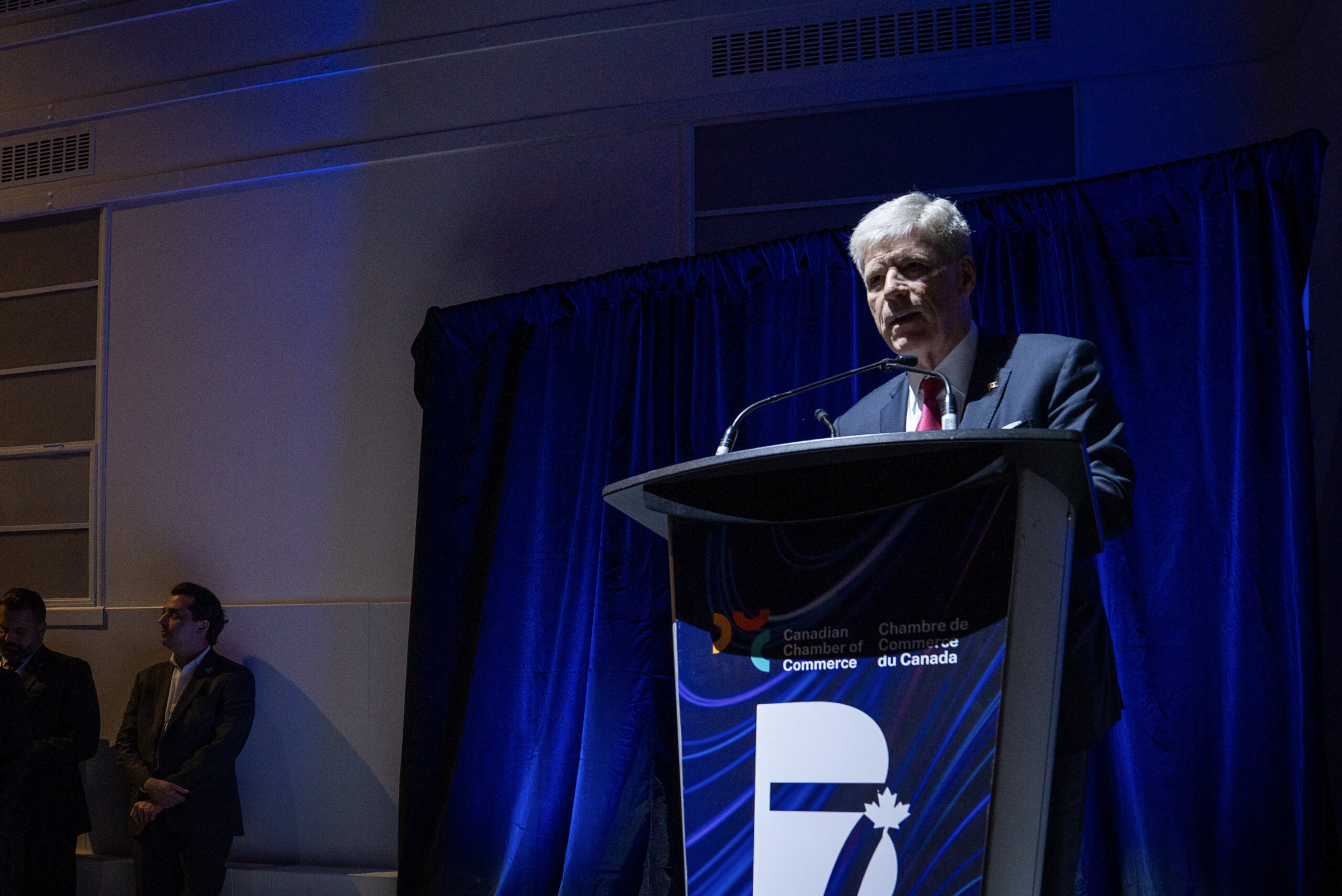
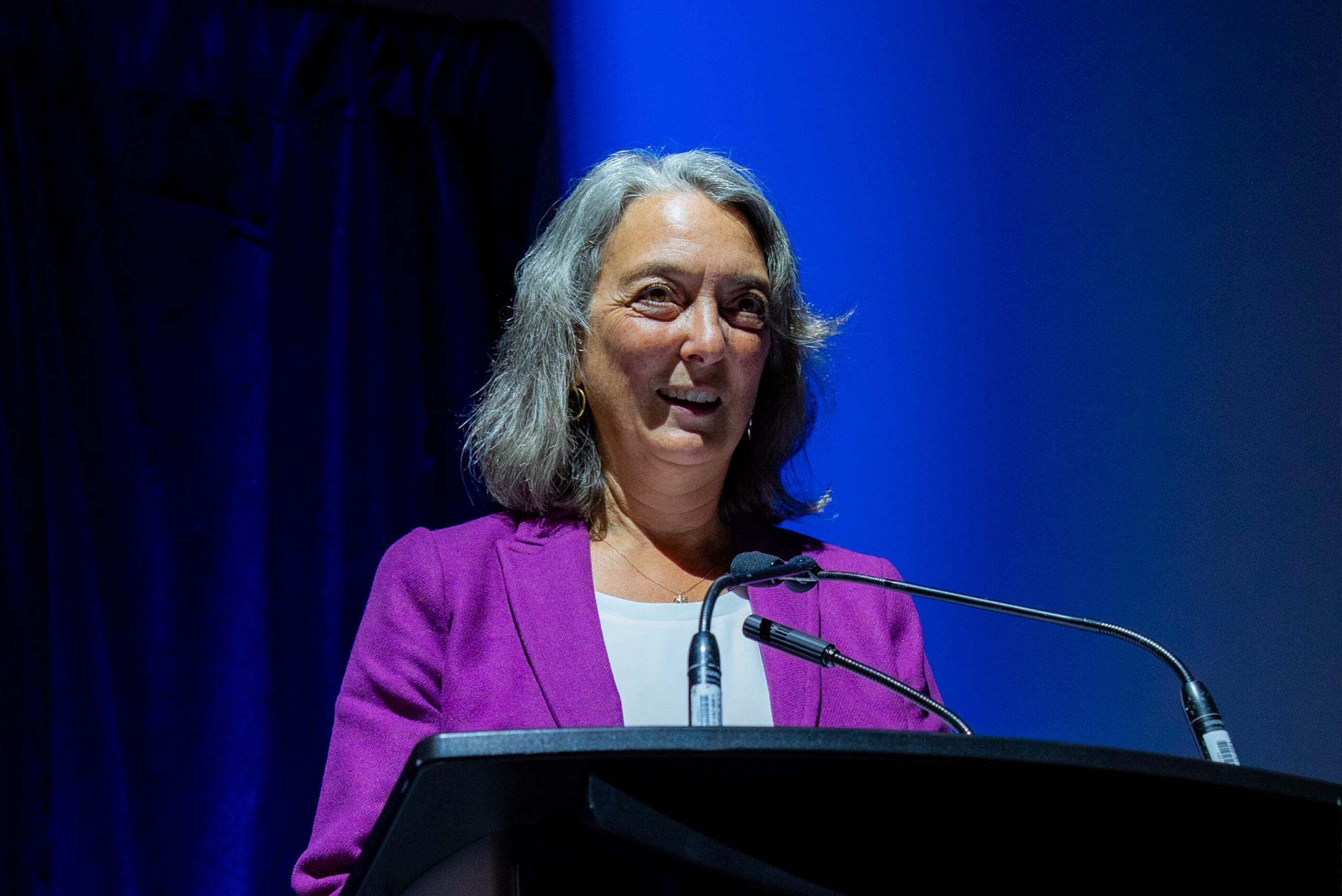

The Canadian Chamber is grateful to have been joined by distinguished speakers and partners who contributed to this important dialogue:
- Cynthia (Cindy) Termorshuizen, Deputy Minister for the G7 Summit and Personal Representative of the Prime Minister (Sherpa) for the G7 and G20 Summits
- The Hon. Tim Hodgson, Minister of Energy & Natural Resources
- The Hon. Julie Dabrusin, Minister of Environment & Climate Change Canada
- Lisa Baiton, CAPP;
- Shannon Joseph and Crystal Smith, Energy for a Secure Future;
- Mike Rose, Tourmaline Oil;
- Christopher Guith, US Chamber of Commerce;
- Roger Martella, GE Vernova; Dale Austin, Cameco;
- Yiota Kokkinos, Public Policy Forum;
- Jun Nishizawa, The Institute of Energy Economics, Japan;
- Shannon Kellogg, AWS;
- Sasha Luccioni, Hugging Face;
- Patrick Lo, Microsoft;
- Duncan Melville, BCG;
- Chris Doornbos, E3 Lithium;
- Brandon Craig, BHP;
- Eugene Lei, Hudbay Minerals;
- Dan Dorner, IEA;
- Richard Price, Anglo American;
- Johnna Muinonen, Dumont NickelBottom of Form;
- Alden Greenhouse, Agnico Eagle Mines;
- Emily Olson, Vale.
A Defining Moment for Canada’s B7 Presidency

The Business 7 (B7) is the official voice of the global business community within the G7 framework, providing policy recommendations that reflect the priorities of the private sector. Under Canada’s presidency, the B7 is focused on strengthening economic resilience, competitiveness, and energy security while ensuring that sustainability and inclusion remain at the core of the conversation.
This side event marked a key milestone in Canada’s B7 year — translating the priorities outlined in the 2025 B7 Communiqué into practical dialogue and policy collaboration. The insights shared in Toronto will help inform the broader G7 process, including future G7 ministerial meetings.
Energy Security and Economic Stability Go Hand in Hand
In a time of global volatility — from geopolitical instability to shifting trade and energy markets — participants emphasized that energy security is economic security. Canada’s reputation as a stable, responsible and innovative supplier of energy positions it as a cornerstone in building a more reliable global system.
Speakers underscored that the path to a low-carbon future cannot come at the expense of reliability or affordability. The world’s economies will succeed in their energy transitions only if they can deliver on both. This balance — among security, sustainability, and competitiveness — was echoed throughout the day and remains central to the B7’s call for investment in a “secure and clean energy economy.”
Technology as an Enabler — Not a Silver Bullet
Innovation and emerging technologies were identified as critical levers for accelerating progress toward net zero. From artificial intelligence and digital infrastructure to small modular reactors (SMRs) and advanced energy systems, technological advancements hold the potential to transform how economies produce and consume energy.
However, participants also noted that technology alone is not enough. Unlocking innovation requires predictable policy environments, agile regulation, and deep collaboration between the public and private sectors. At the same time, digitalization itself carries an energy cost — meaning that as the world becomes more data-driven, managing the energy footprint of innovation will be essential to sustainability goals.
The discussion reflected a shared understanding: Innovation must go hand in hand with good governance and international cooperation to achieve a resilient energy future.
Critical Minerals — Building the Foundations of the Future
Critical minerals — from lithium and nickel to rare earth elements — were highlighted as the backbone of the clean energy and advanced manufacturing economies. Participants recognized that these resources are no longer peripheral to economic strategy; they are central to energy independence, technological innovation, and geopolitical stability.
Speakers called for greater investment certainty, infrastructure development, and responsible mining practices that strengthen both domestic and global supply chains. They emphasized that competitiveness and conscience must coexist — ensuring that the race to meet global demand is paired with environmental stewardship and social responsibility.
Indigenous Partnership and Inclusive Growth
A consistent thread throughout the discussions was the importance of inclusion and trust — particularly in how Canada approaches its resource economy. Indigenous Peoples are not just stakeholders but key partners in shaping Canada’s energy future.
This was powerfully underscored by Crystal Smith, Senior Fellow for Energy and Partnerships at Energy for a Secure Future, and former Chief Councillor of the Haisla Nation, who shared the story of the Cedar LNG Project — a majority Indigenous-owned initiative that embodies partnership, equity, and shared prosperity.
Looking Ahead: From Dialogue to Delivery
As the 2025 B7 Presidency continues, Canada’s role is not only to convene but to catalyze — turning discussion into action and ambition into tangible progress.
The B7 Energy Ministerial underscored that no country, company or community can achieve the energy transition alone. Collaboration across sectors, borders and perspectives will be the key to advancing a future that is secure, inclusive and sustainable.
As B7 President for the next two months, the Canadian Chamber will continue to champion the voice of business on the global stage — ensuring that Canada’s leadership drives meaningful outcomes for businesses, workers and communities worldwide.
Join our next Ministerial side event this December on Industry, Technology, and Digital: B7 Summit Ministerial Meetings.
Thank You to Our Event Sponsors
Other Blogs

Policy Matters: Cybersecurity Is Everyone’s Business

Canada-U.S. Trade Has Entered Uncharted Territory. We’re Ready to Lead.