Blog
What We Heard: Unlocking Canada’s Arctic Economic Potential
With the world looking north, the question is no longer if the Arctic will shape Canada’s economic future, but how.
Share:




Canada’s Arctic is so much more than a remote region — it is a vital cornerstone of our national identity, sovereignty, and future prosperity. With the world looking north, the question is no longer if the Arctic will shape Canada’s economic future, but how.
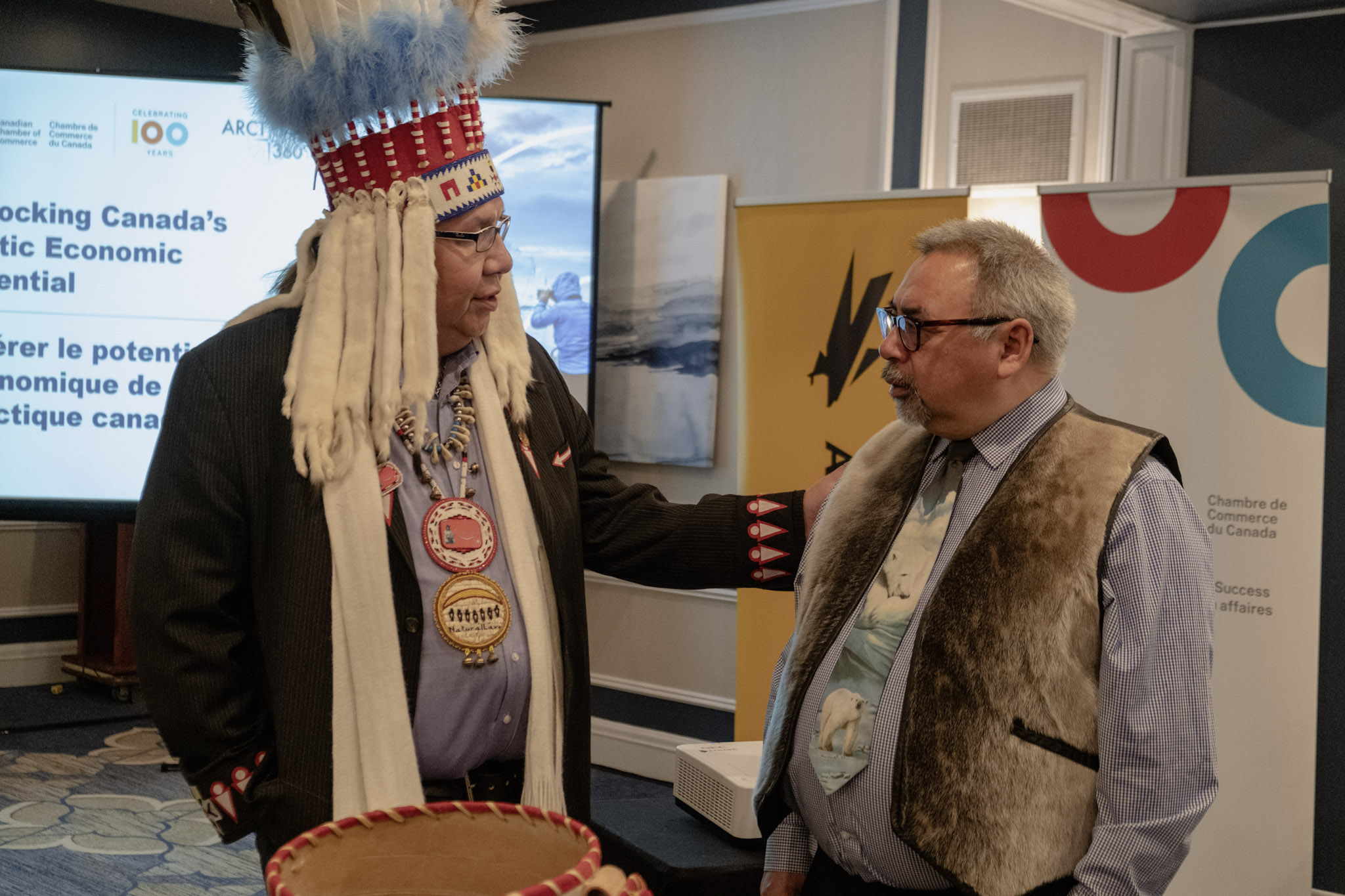
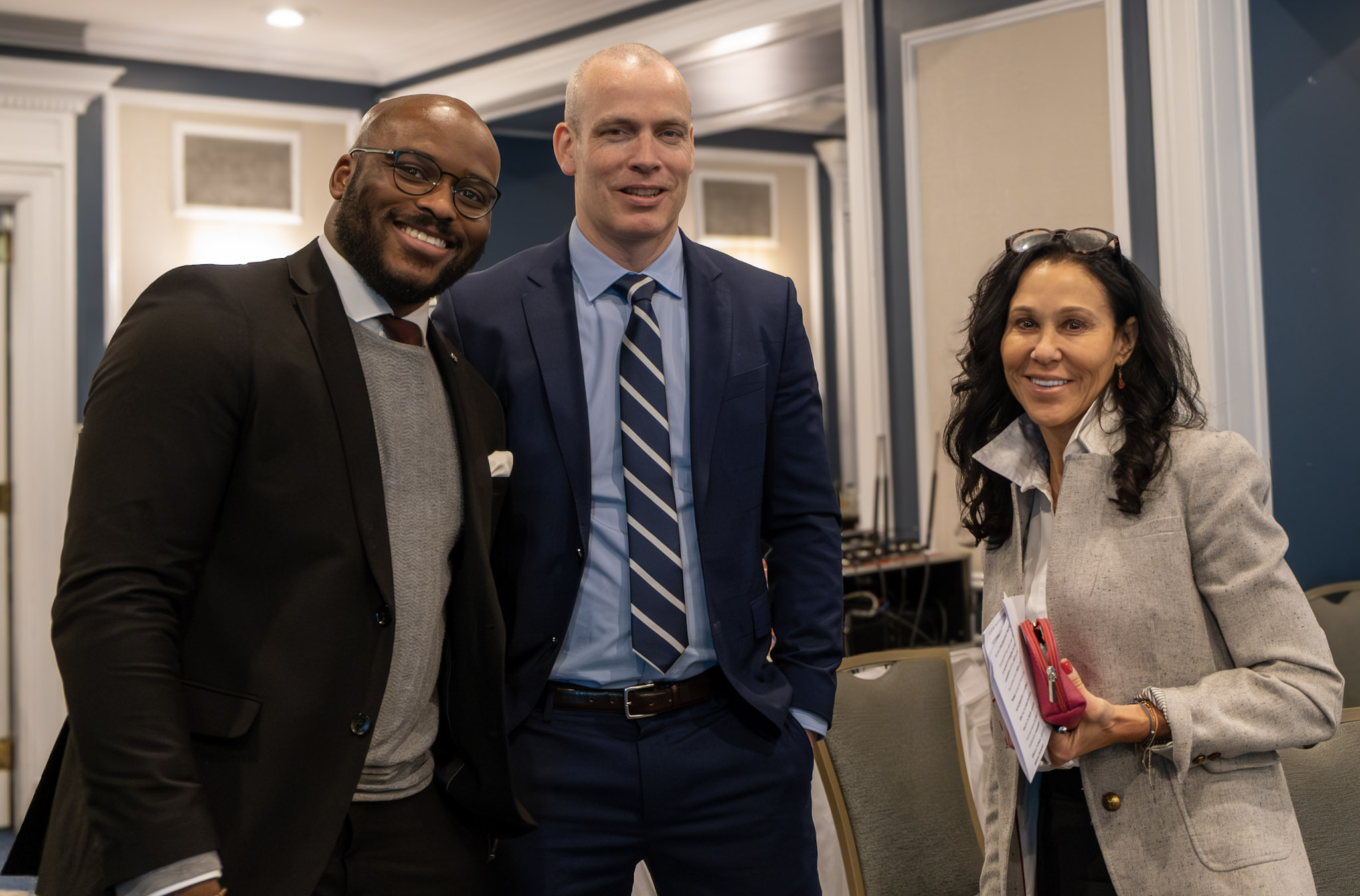
On December 2–3, senior leaders from business, government, and Indigenous communities convened in Ottawa for the Arctic Summit, presented by the Canadian Chamber of Commerce and Arctic360, in collaboration with Agnico Eagle and Fasken.
The summit was an opportunity to explore how to move from a piecemeal approach to a bold, inclusive, and coordinated strategy that connects the North to the rest of Canada and unlocks its full economic potential. Through candid dialogue and cross-sector collaboration, the event highlighted how physical and social infrastructure — and strong public-private-Indigenous partnerships — are key to building resilient, prosperous northern communities that power Canada’s economic future.





Level-Setting: Understanding Canada’s Arctic Strategy
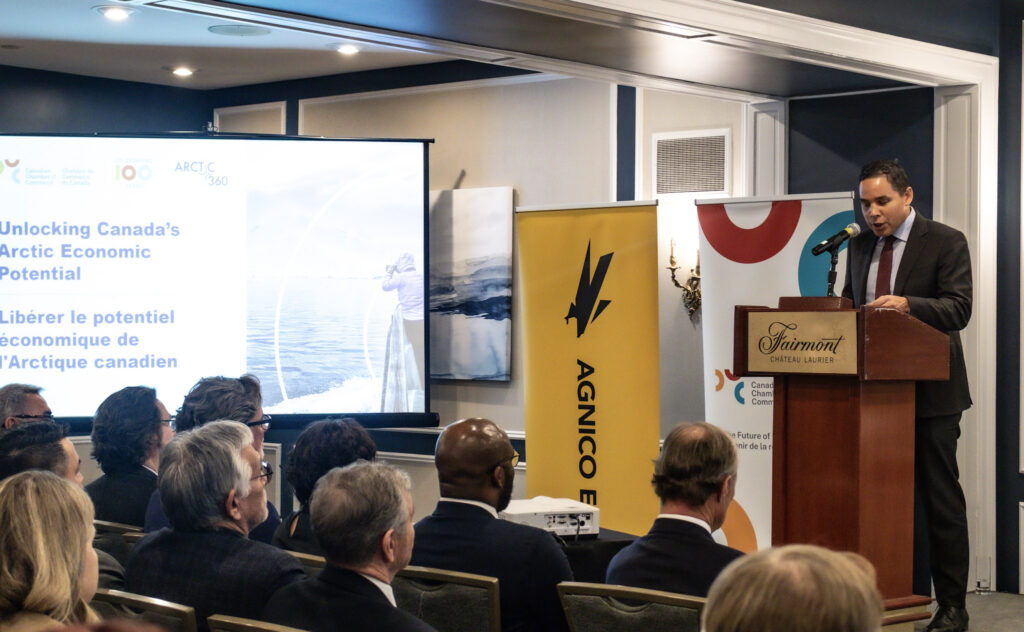
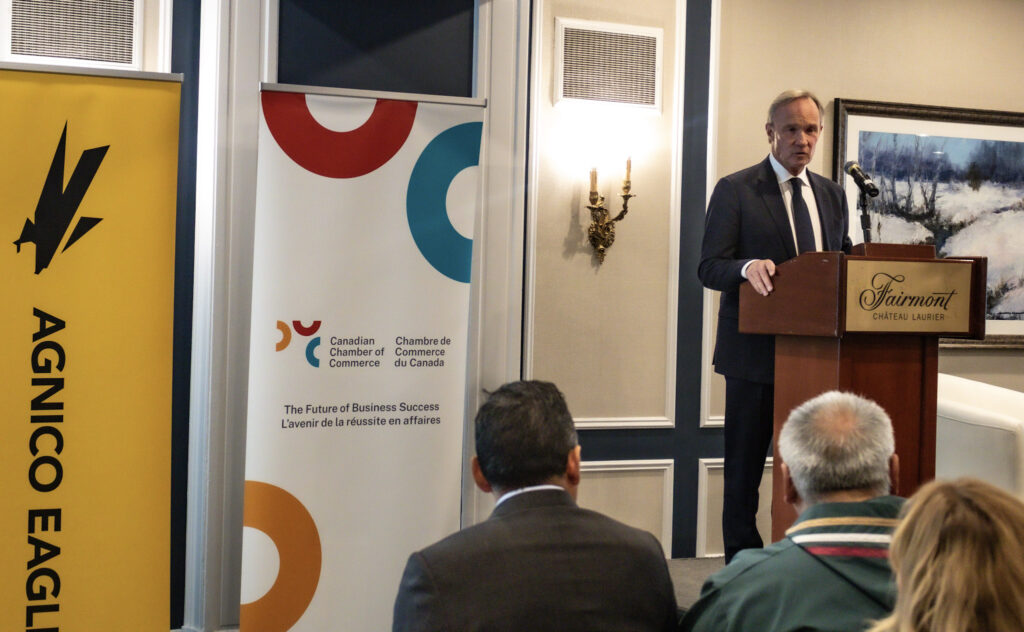
The summit opened with a keynote address by Natan Obed, President of Inuit Tapiriit Kanatami (ITK), who highlighted that Canada’s greatest Arctic strength lies in Inuit themselves — through Inuit treaties, land management, and long-standing presence across much of the North, Canada possesses a foundation for Arctic leadership that few other nations can claim. He emphasized that, amid growing global attention on the Arctic as a strategic military and economic region, Canada now has a unique opportunity to more fully integrate Inuit Nunangat, the Inuit homeland, into the broader national fabric and move closer to becoming the country it aspires to be.
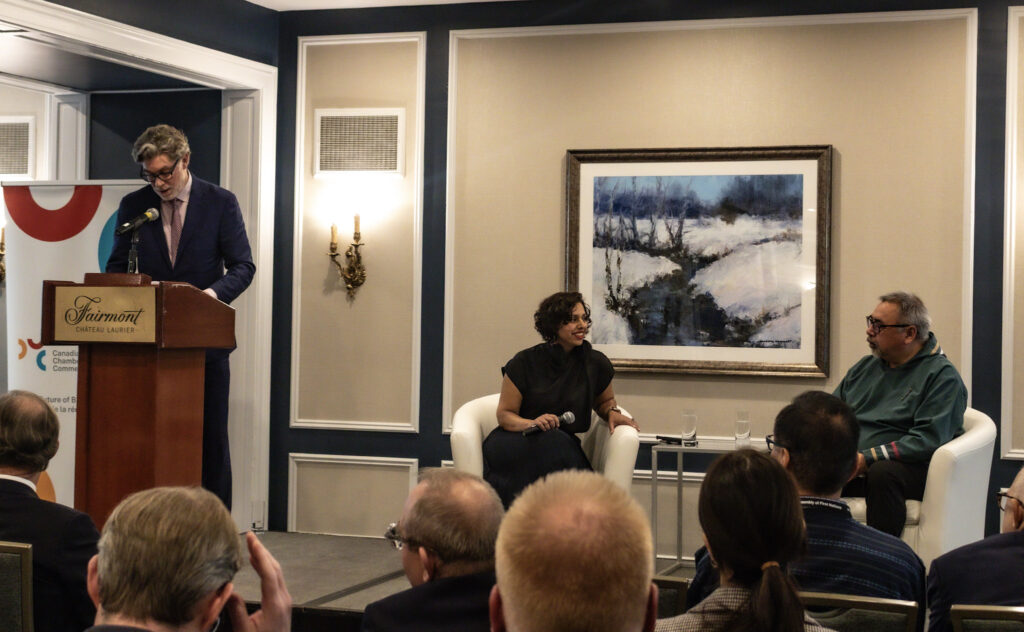
These themes were echoed in a candid fireside chat that followed with the Honourable David Akeeagok, Government House Leader and Minister Education and Nunavut Arctic College in the 7th Legislative Assembly of Nunavut, moderated by Sima Sahar Zerehi, CEO of Arctic Opportunities Group. The conversation helped establish a shared understanding of the opportunities and challenges shaping Canada’s Arctic economic landscape, while highlighting the priorities of the new Premier and government in Nunavut — particularly relevant given the many newly elected MLAs in the legislature.
A Call to Action: How Our One Canadian Economy Needs the Arctic to Succeed
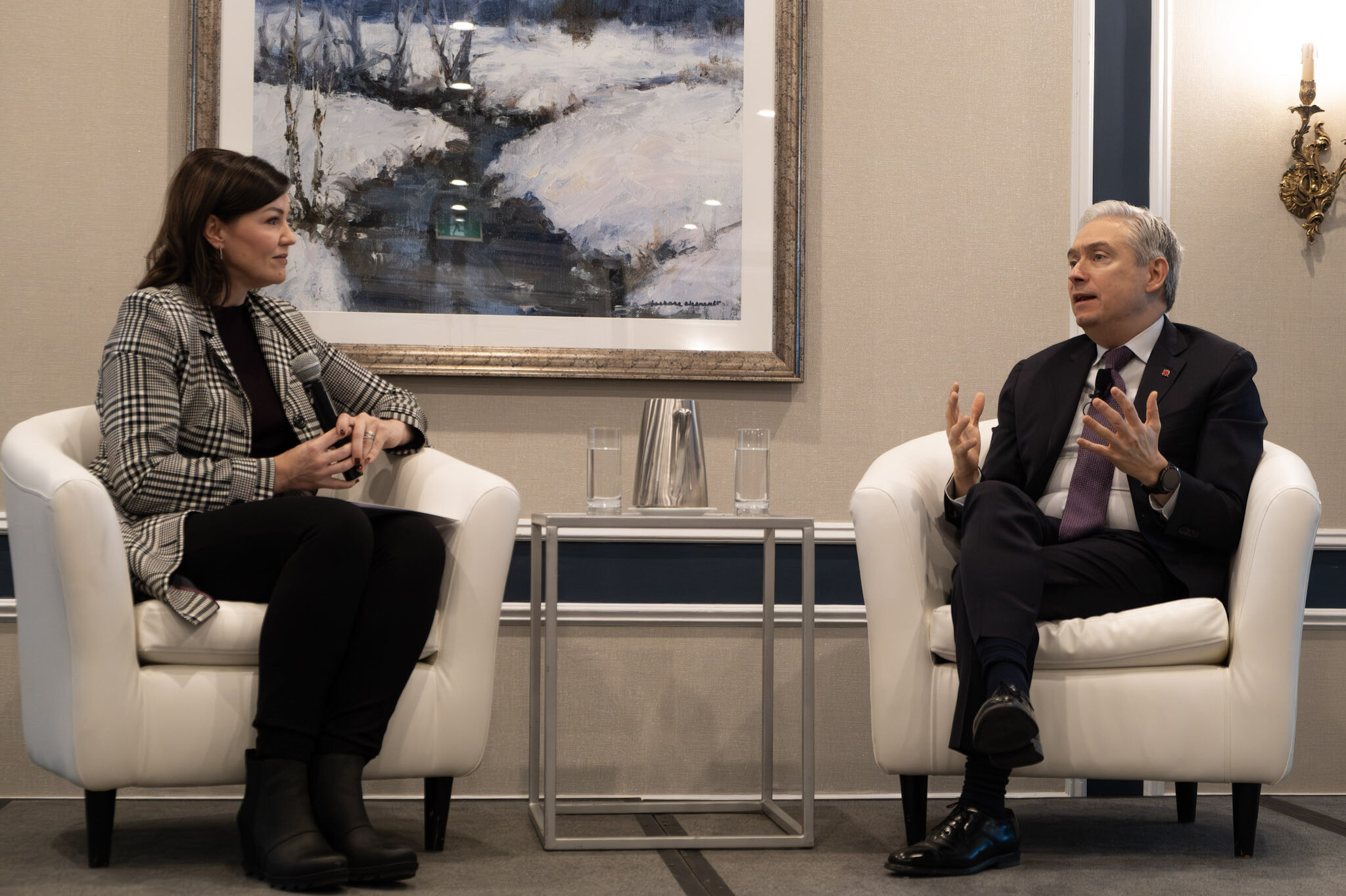
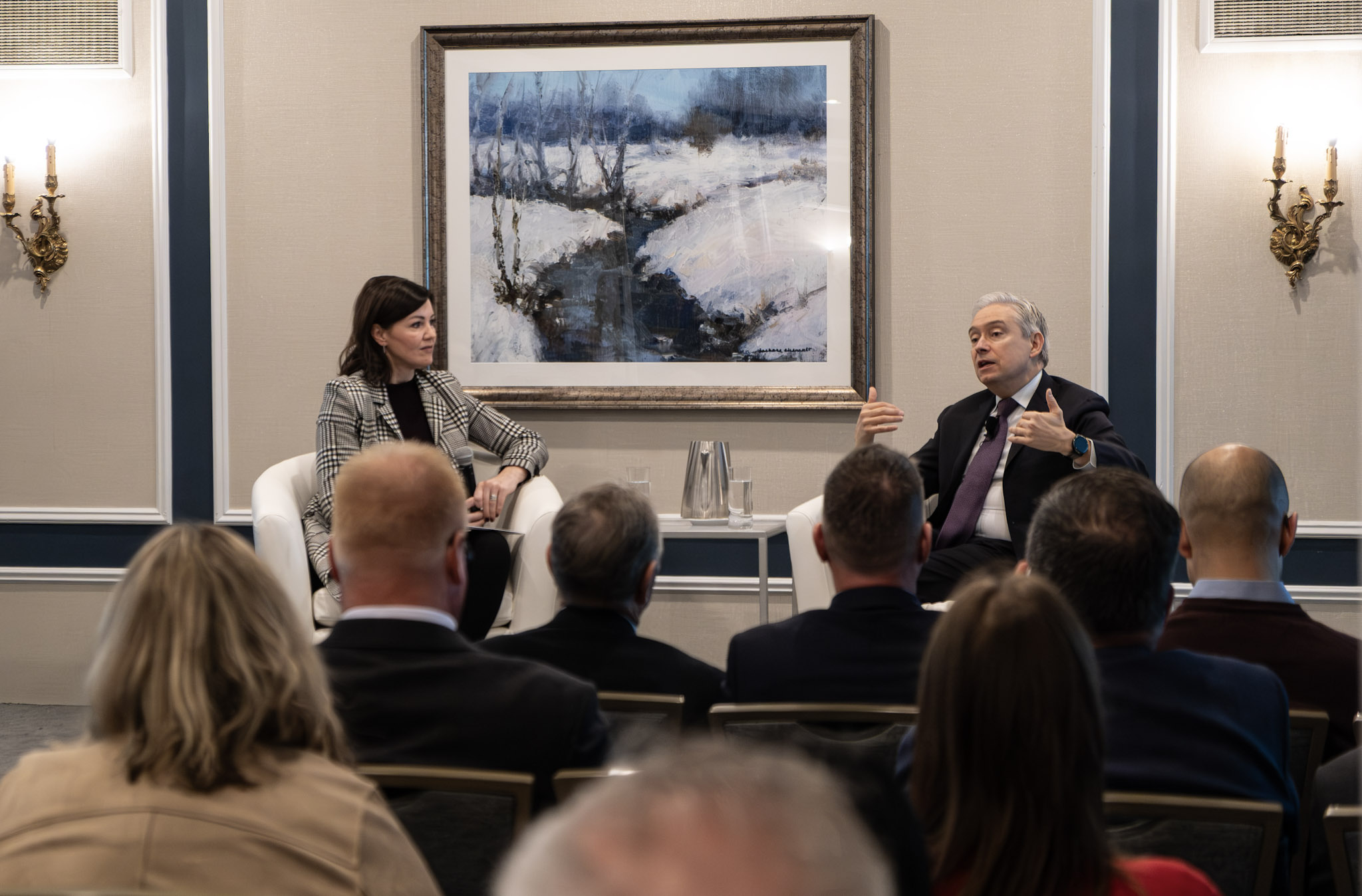
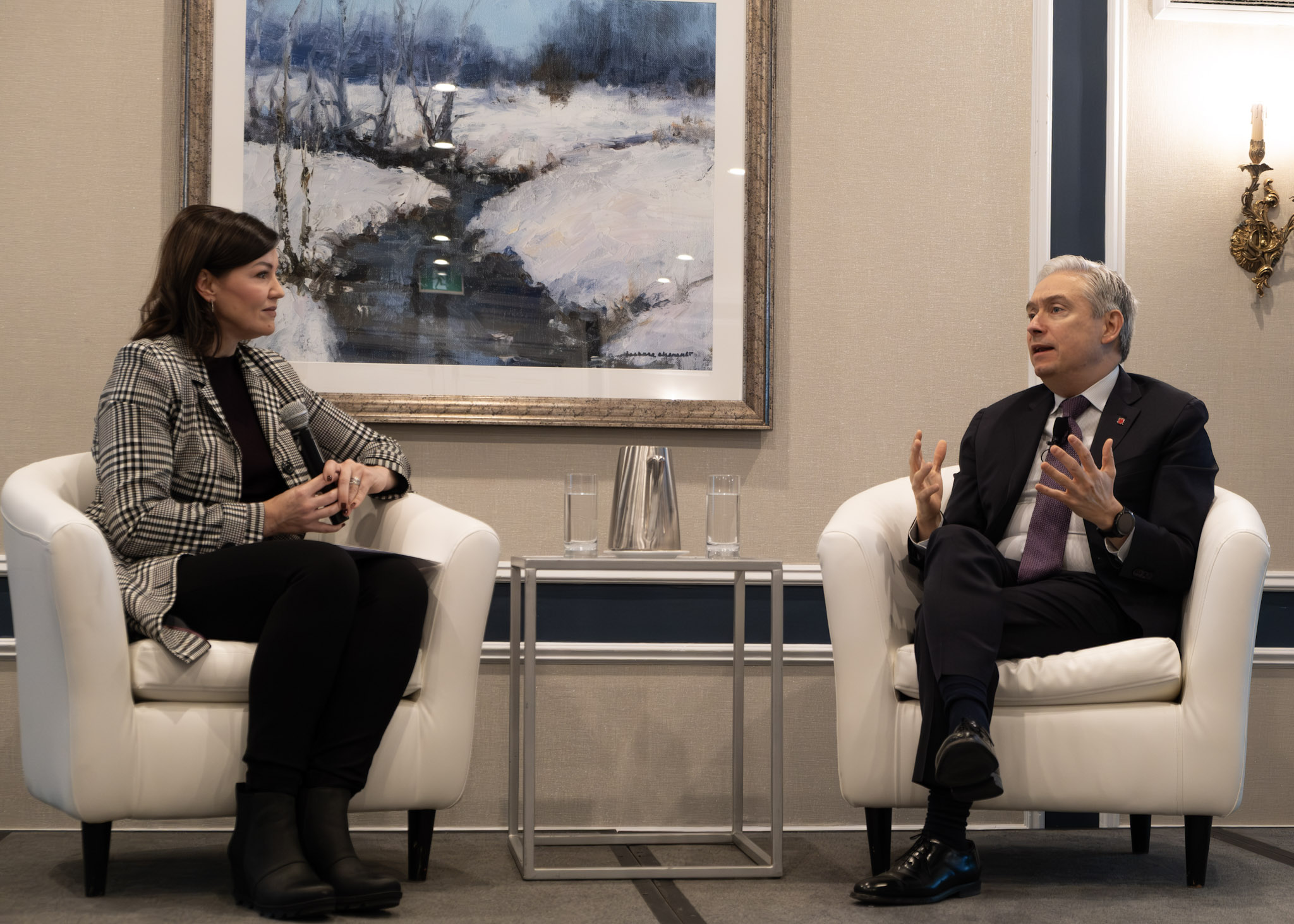
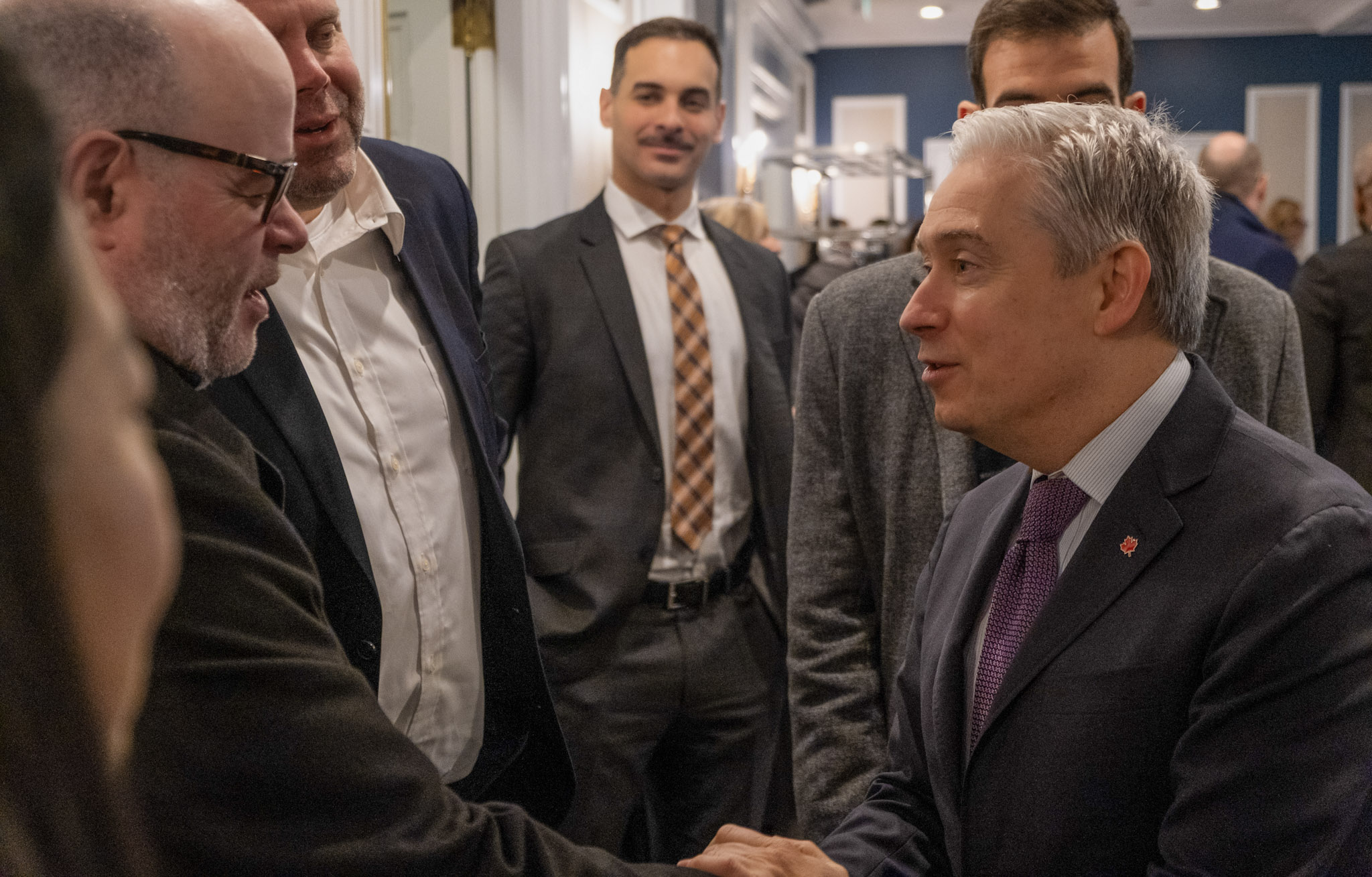
Our President and CEO, Candace Laing, and Minister of Finance and National Revenue François-Philippe Champagne kicked off the second day with a lively, early-morning fireside chat, jokingly dubbed “Champagne for Breakfast.”
During their conversation, they covered the Federal Budget, which Minister Champane called “a budget for the north,” doing more with our Nordic neighbours, and Canada’s optimal geopolitical and economic position within the G7. The Minister emphasized the need for Canada to recall our many advantages — access to three oceans, critical minerals, abundant energy, an industrial base, preferential G7 market access — and seize the opportunity we have to use them to the benefit of our sovereignty and security.
Minister Champagne also advocated for government and business developing one “pitch” that we can use to sell the idea of investment in ambitious growth and economic development goals to the rest of Canada. Finding a reason to invest is easy but finding the what and how is the hard part. The pitch should include what we want to achieve and how we’re going to achieve it.
Stronger Together: Public–Private Collaboration Driving Northern Security and Prosperity
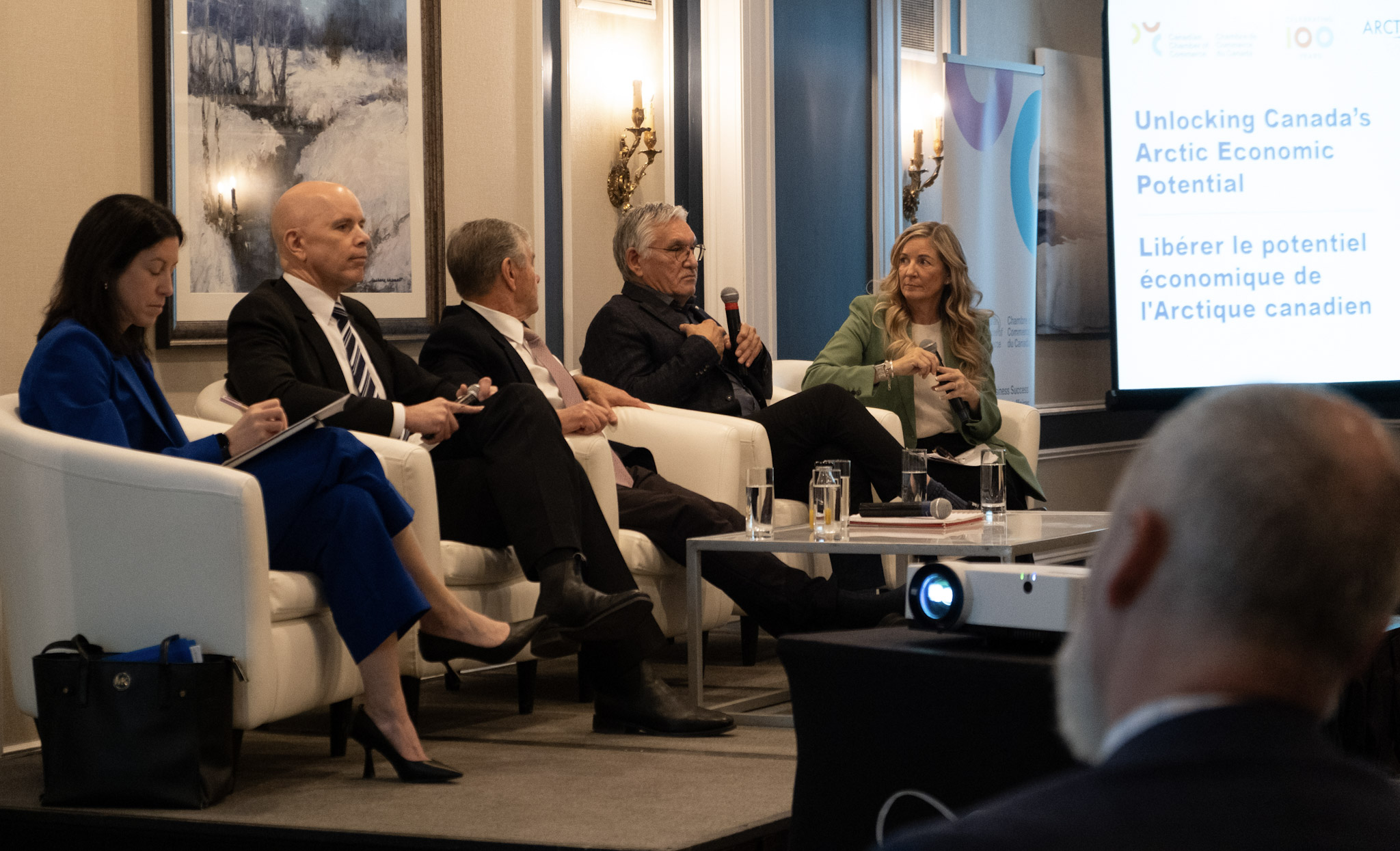
This panel, moderated by award-winning journalist and Executive Communications Officer at Global Public Affairs Hannah Thibedeau, focused on exploring how coordinated political and industry leadership, combined with dual- and multi-use infrastructure, can advance both Canada’s economic and defence objectives in the North.
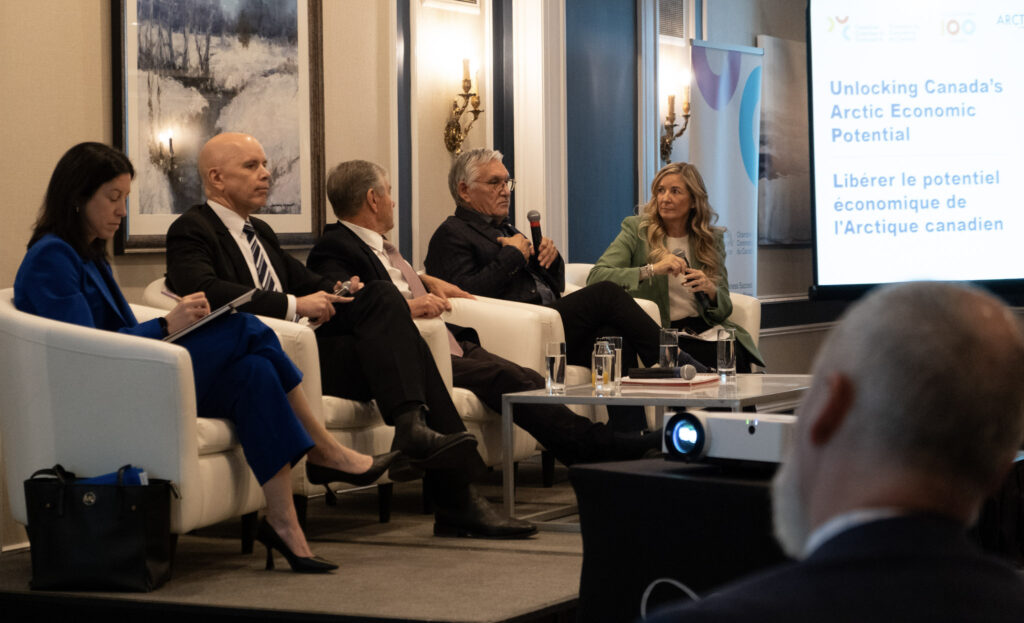
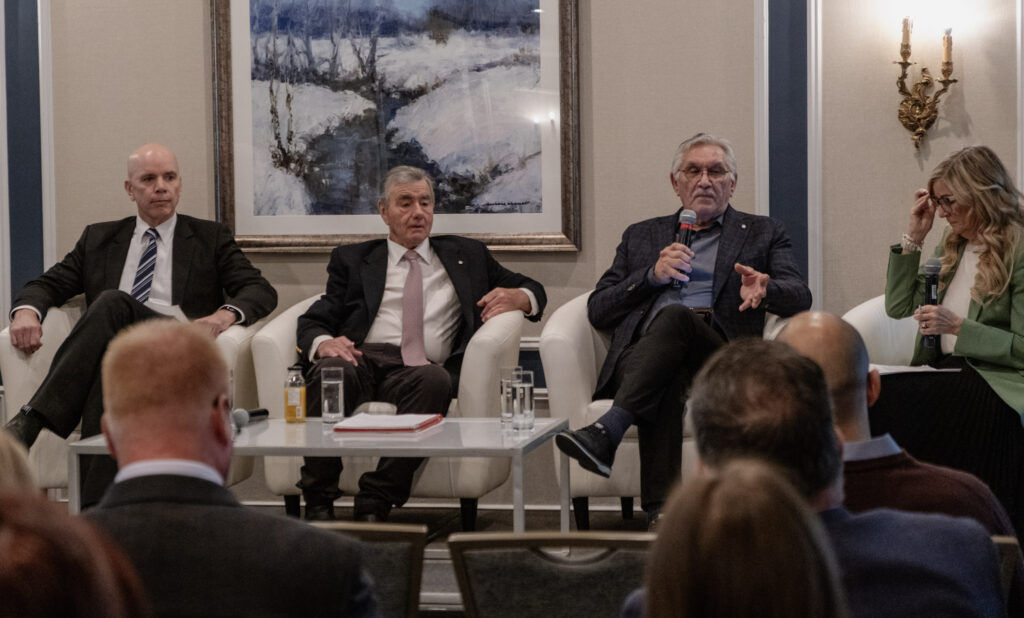
Speakers: General Wayne Eyre (Ret’d), Former Chief of the Defence Staff; Harry Flaherty, President and CEO, Qikiqtaaluk Corporation; Christiane Fox, Deputy Clerk, Privy Council Office; and John Risley, Founder, Arctic Economic Development Corp.
Inuit Partnerships
Throughout the conversation, the speakers emphasized the need for any projects in the North to be Inuit-led, Inuit-driven and Inuit-owned. Community consultation is fundamental to getting projects built — if you explain the objective to the communities, they will listen. If they agree with you, they will give you their blessing. Risley added that once you understand that you have to move forward in partnership, a lot can get done.
Private Sector Champions
The speakers also discussed the fact that the private sector must be their own champions and bring all the various factions of government on-side themselves since there is currently no singular government agent that can or will do so.
Part of the current challenges facing major projects is that government departments have built policies, regulations and programs according to a certain kind of focus and now are trying to fundamentally shift that focus. Fox acknowledged that the “federal family” hasn’t always talked to each other but reiterated the need to stop working in silos and get the right people together with clear timelines — and to do so with urgency.
Asserting Arctic Sovereignty through Strengthened Communities
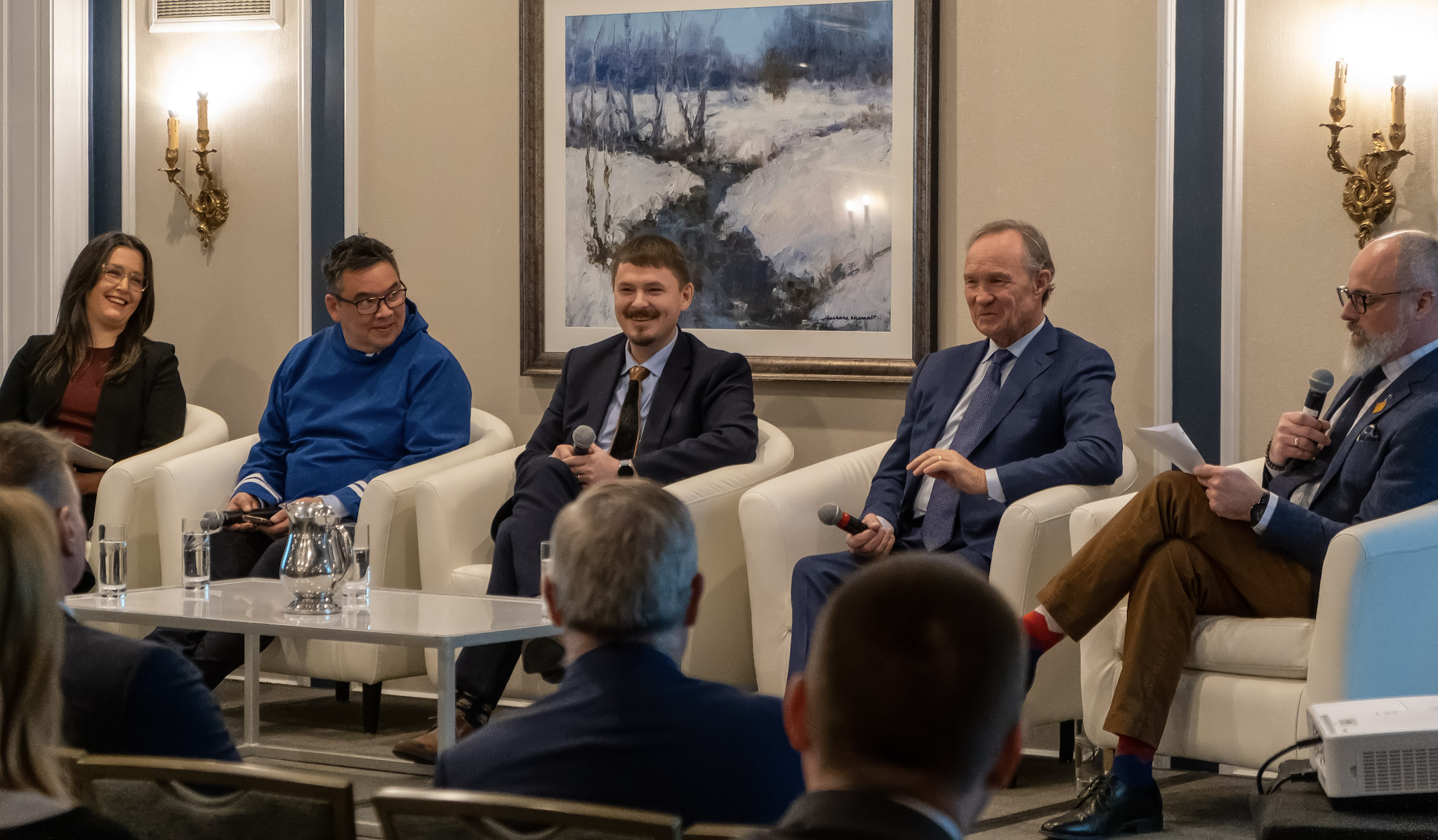
The second panel of the day, moderated by our Chief of Public Policy, Matthew Holmes, investigated partnership and how Canada can ensure that Arctic development is done in partnership with Inuit to ensure community benefits.
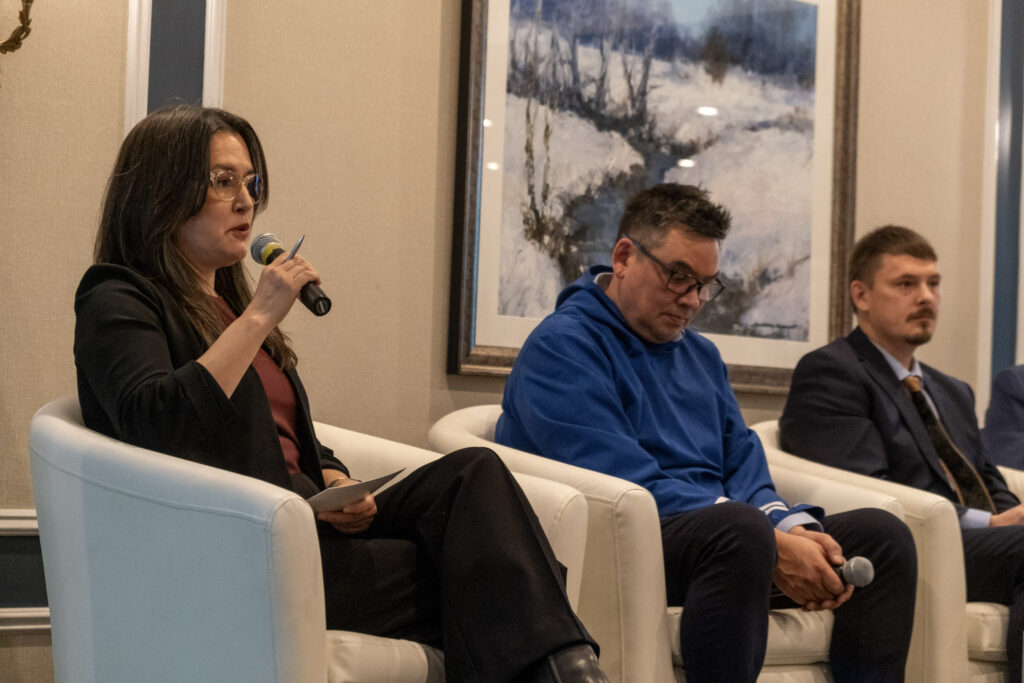
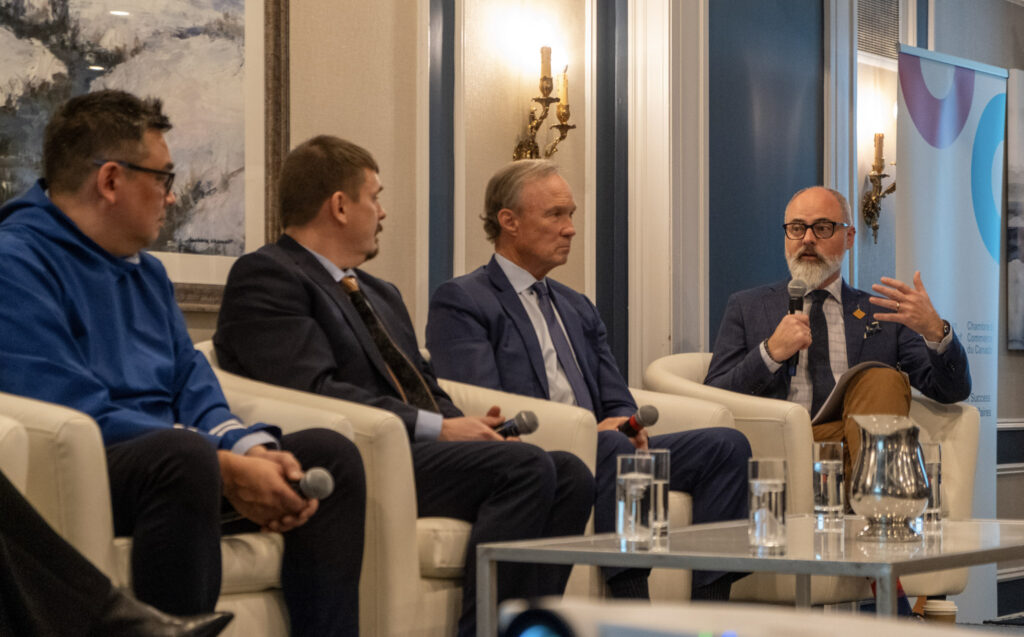
Speakers: P.J. Akeeagok, Founder and President, Arctic Strategies Inc., and Former Premier of Nunavut; Sean Boyd, Chairman, Agnico Eagle Mines; Kilikvak Kabloona, CEO, NTI; Jimi Onalik, President, Canadian Northern Economic Development Agency.
The Importance of Healthy Communities
Inuit security is at the forefront of Arctic security. In this panel, our speakers emphasized the need for healthy Inuit communities, highlighting challenges and crises like food insecurity and insufficient education. Without first addressing the root challenges of the community, big projects won’t provide the social or economic benefits or stability the Inuit want.
Setting the Next Generation Up for Success
Speakers also discussed the need to look to the North’s brightest resource — the people, and especially the youth. Nunavut has experienced a population boom with a generation of young people soon to hit the workforce. There’s a need to massively invest in primary education, high school education, and getting the people of Nunavut ready for future opportunities. We’d be doing a disservice to young people if we didn’t get the system set up now, positioning them to take advantage of the best paying jobs and leadership roles.
Encouraging Movement on Projects
The speakers recognized that we are in a nation-building moment. Boyd acknowledged that a lot has changed in government in the last few months, including more coordination (like having 20 people around the table instead of 20 individual meetings), and that the projects that have clear support from Inuit communities are the ones that are getting permitted faster.
Our Arctic Allies
To conclude the day and the summit, Dr. Jessica Shadian, CEO, Arctic360, and Per Unheim, Head of Public Affairs and Trade, Iceland Embassy Ottawa, examined best practices and opportunities for shared collaboration on Arctic economic, trade, and defence issues during their fireside chat.
Iceland is an important strategic location for NATO, serving as a logistics hub for many allies. Though it has no national military, it acts as a resupply facility and stop-point for allied submarines and fighter jets.
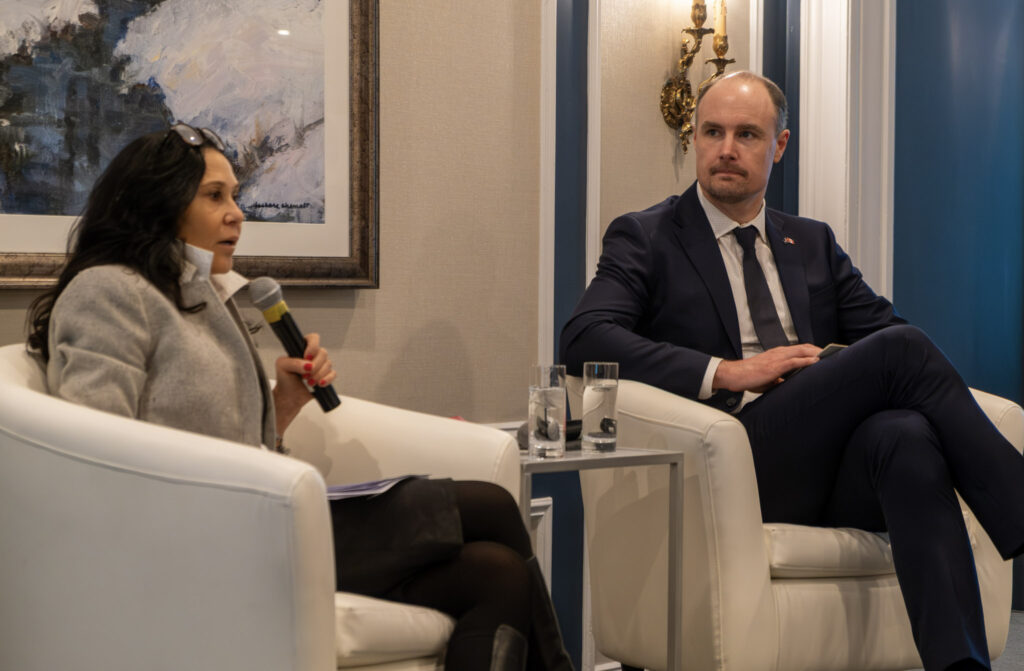
Unheim also talked about Iceland’s tourism industry, and how the development of such industries in the North takes time, often because of the lack of basic infrastructure. Iceland’s tourism industry had a rocky start but now it’s a major industry, with the nation continuously making improvements to ensure sustainability and safety. Canada — and especially Inuit regions — can learn from Iceland’s tourism growth: Focus on building strong, resilient infrastructure first, and the visitors will follow. Equally important is ensuring that tourism development respects the environment, honours local culture, and delivers real, lasting benefits to Inuit and Northern communities.
Looking Ahead
If the Summit’s many insights could be summarized in a few sentences, it would be that the North is not a side project. For decades, Canada has thought east-west but now we must think North. Inuit have always been aware of the region’s opportunities, and now with the rapid shift in geopolitics, the rest of Canada is waking up to them too. But the only way forward is through real partnership that starts at the very beginning. This is a chance for Inuit to set the template for the rest of the country on how Indigenous, government and business work together to get projects built.
Co-presented with
Hosted in collaboration with
Other Blogs
As Separatist Vote Looms, Canada Must Renew Its Relationship with Alberta

Policy Matters: Canada’s Next Competitive Advantage Starts at Home