Blog
Building Codes Are Undermining the Promise of Modular Housing
To restore affordability to pre-pandemic levels, we need to double the pace of housing starts and reach 430,000 to 480,000 per year, which would completely buck the trend of consistent decline since September 2025.
Share:




As published in The Hill Times, an English-only outlet.
Hopeful Canadian homebuyers waiting for housing affordability to make a comeback will continue to have their optimism and stamina tested as the likelihood of closing Canada’s housing gap further deteriorates. To restore affordability to pre-pandemic levels, we need to double the pace of housing starts and reach 430,000 to 480,000 per year, which would completely buck the trend of consistent decline since September 2025.
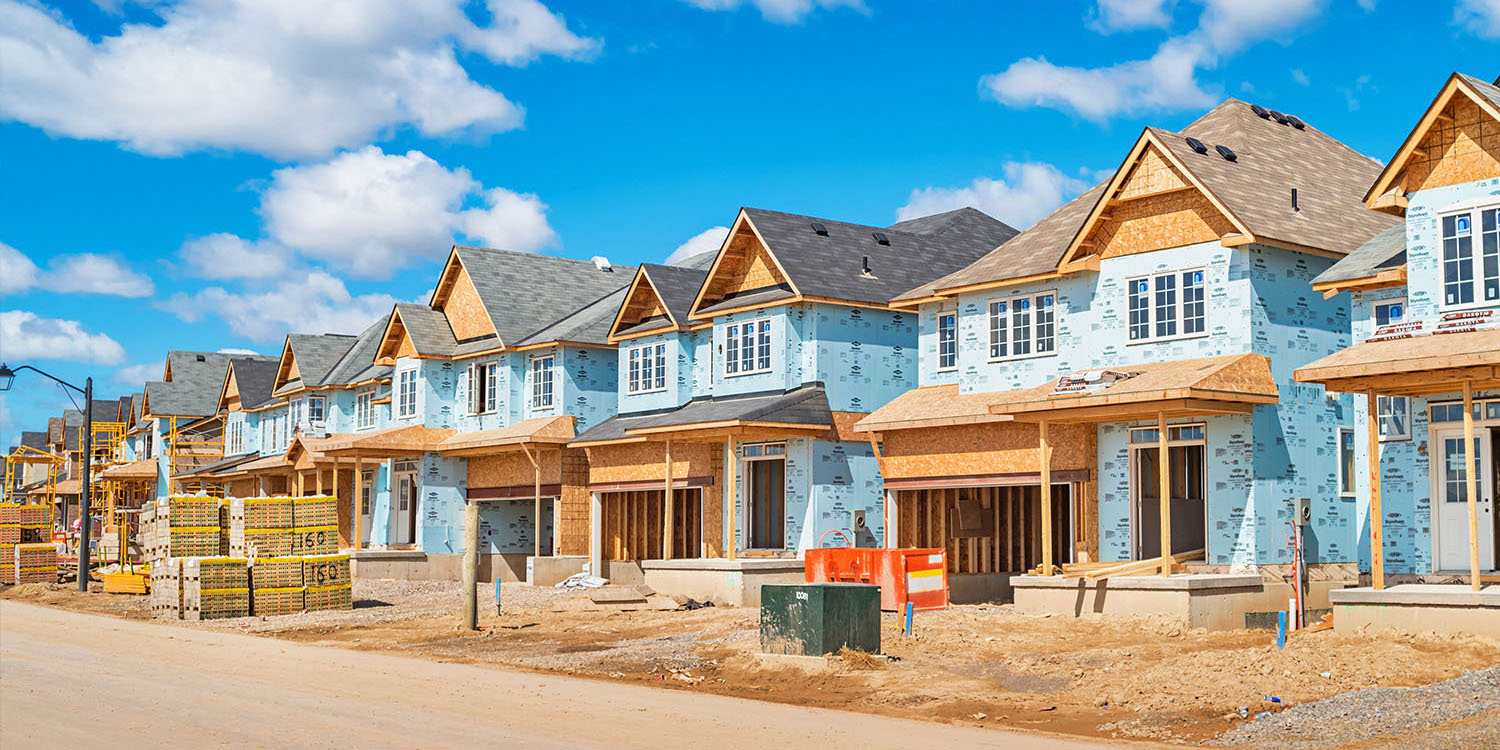
The numbers are grim, which is why many in the residential construction sector are hedging their bets on the promise of innovative methods. From modular homes produced in factories and assembled on site to cutting-edge 3D printing, several new approaches have emerged to help build safe, affordable, and comfortable homes up to 30- to 50-per-cent faster than traditional construction times. The next step should be as obvious as scaling these approaches, and yet the path forward isn’t that simple.
To build a modular house, a company must apply for a building permit from the municipality, a process requiring them to demonstrate that the project meets the technical requirements of the building code as well as other “applicable laws,” such as a municipal bylaw. If their project does not meet these requirements, the permit is not granted and no shovels go in the ground.
It’s even worse for a builder operating a single facility but aspiring to serve customers nationwide as they are forced to untangle a mess of different provincial, territorial, and municipal code interpretations. While the National Building Code of Canada and compliance standards provide a core trajectory, provinces and territories also enact their own building codes with unique requirements. A modular building unit approved in one province may face different criteria in another, requiring a redesign, re-testing, and additional documentation. Layer municipal bylaws on top of provincial and territorial codes and the modular industry, as well as the wider residential construction industry, ends up navigating a maze of dozens of overlapping and sometimes contradictory regulations.
This approach to regulation creates uncertainty, slows down operations, increases costs, and limits product availability. Even minor discrepancies can put significant demands on time and investment. To make matters worse, as builders adjust their processes to suit whatever province and municipality they’re in, another update to building codes may well be announced.
In Canada, National Model Codes operate in five-year update cycles. Yet, in practice, they are subject to a barrage of post-publication revisions and errata packages—both ways to make minor off-cycle adjustments to the code. Since 2005, Canada’s building, fire, plumbing, and energy codes have undergone multiple editions and revisions. Rather than four scheduled updates over 20 years, there have been nine major revisions, including a staggering roughly 3,500 technical changes throughout almost 10,000 pages of code updates and revisions.
Provincial and territorial governments implement and modify these model codes at their own pace, meaning one jurisdiction might adopt a new iteration while another is still operating under an older version. The volume, frequency, and scattered nature of these changes forces builders to constantly review their projects to ensure compliance.
This regulatory environment results in builders shouldering significant administrative burden; companies are preoccupied with tracking and responding to code changes rather than focusing on scaling production and delivering the housing Canadians desperately need. Business confidence also takes a hit as a lack of regulatory certainty means risk for industry stakeholders working with long planning and investment horizons, which in turn discourages investment. When capital pulls back, housing delivery slows.
Canada’s residential construction sector can’t solve the housing crisis with innovative new technologies like modular housing while operating in a fragmented, constantly shifting regulatory environment. It’s time to stop the rule‑changing roller-coaster and give builders the certainty they need. Consistent nationwide standards that follow a predictable, regular schedule for updates will allow the residential construction sector to innovate and scale with confidence, and finally build the affordable houses hopeful homebuyers are waiting for.
Olha Sotska, Policy Advisor, Canadian Chamber of Commerce
Visit the Housing and Development Strategy Council to learn more about the Canadian Chamber’s advocacy.
Other Blogs

Five Priorities Canada Should Consider for the Next Agricultural Policy Framework

Calgary Stampede Mixer: Where Western Canada’s Leaders Came Together